
What Are the 2026 Top Brass Lights for Global Buyers?
Global buyers entering the 2026 lighting market are looking beyond decorative appeal. Brass Lights now sit between architectural expression, energy efficiency, and long-term purchasing discipline. Their appeal is visible in hotel corridors, boutique retail spaces, and dining rooms, where brushed brass creates a warm, tactile focal point. However, appearance alone cannot define a top product.
The International Energy Agency reports that LED technology has become the dominant form of general lighting worldwide, improving efficiency and reducing replacement frequency. This shift raises expectations for brass fixtures, including integrated LEDs, replaceable drivers, reliable dimming, and accurate color rendering. The U.S. Department of Energy also emphasizes lighting quality, controls, and lifecycle performance rather than wattage alone. For global buyers, practical specifications matter: a CRI above 90 for hospitality interiors, suitable color temperatures around 2700K–3000K, and an IP rating matched to the installation environment.
Certification remains equally important. Buyers should examine CE, UKCA, UL, ETL, or other market-relevant approvals before placing large orders. LightingEurope’s technical guidance highlights the value of traceability, responsible materials, and professional installation. These factors can separate a beautiful sample from a dependable commercial product.
No ranking is perfect. Finish consistency may vary between batches. Some “solid brass” claims describe only plated steel. That detail matters. The strongest 2026 options combine verified materials, stable light output, repairable components, and clear documentation. This guide evaluates Brass Lights through those practical standards, helping distributors, designers, and project buyers compare style with measurable performance.
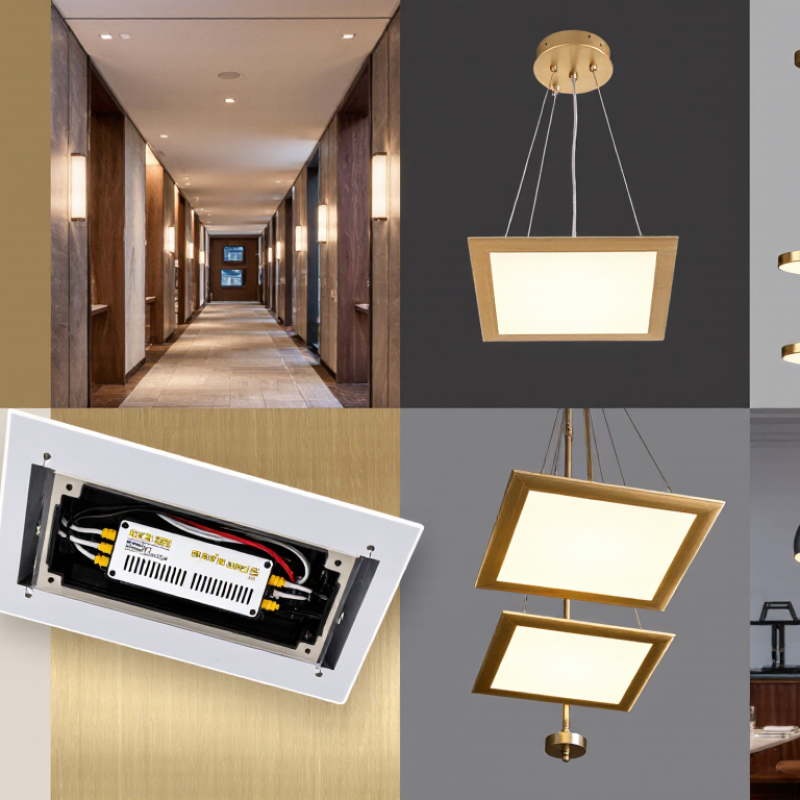
2026 Brass Lighting Categories: Pendants, Chandeliers, Sconces, and Table Lamps
What Are the 2026 Top Brass Lights for Global Buyers?
Brass lighting remains popular because it adds warmth without overpowering a room. In 2026, global buyers are choosing cleaner shapes, softer curves, and aged finishes. Pendants work well above kitchen islands, dining tables, and reception desks. Larger rooms may need clustered pendants instead of one oversized fixture. Check the drop length carefully. It changes how people use the space.
Chandeliers are becoming lighter in appearance, with open frames and fewer decorative layers. They suit hotels, dining rooms, and high-ceiling homes. Brass sconces offer focused comfort beside beds, mirrors, and corridors. Look for adjustable arms when reading or task lighting matters. Table lamps bring smaller accents to desks, sideboards, and bedside tables. A solid brass base feels reassuring, but excessive weight can increase shipping costs and installation risks. Experienced buyers should confirm voltage, socket type, wiring details, and local safety certification before ordering.
Tips: Request finish samples before bulk purchasing. Brass tones vary between polished, brushed, and antique surfaces. Ask for clear dimensions, net weight, packaging tests, and replacement parts. Confirm the recommended bulb type and heat distance. A beautiful lamp can still disappoint if its light is too harsh. I have seen buyers focus on appearance and overlook glare. That mistake is easy to repeat. Also, aged brass may develop uneven color over time, which some interiors accept and others reject.
What Are the 2026 Top Brass Lights for Global Buyers?
2026 Brass Lighting Categories: Pendants, Chandeliers, Sconces, and Table Lamps
| Category | Typical Buyer Applications | Popular 2026 Forms | Common Brass Finish | Typical Size Range | Recommended Light Source | Typical Light Output | Electrical & Safety Profile | Indicative FOB Range (USD/unit) | Typical Lead Time | Typical MOQ |
|---|---|---|---|---|---|---|---|---|---|---|
| Brass Pendants | Kitchen islands, dining areas, hotel rooms, cafés, retail counters, and compact commercial interiors. | Single-dome, globe, linear bar, cluster, adjustable multi-drop, and minimalist tube designs. | Brushed brass, satin brass, aged brass, antique brass, and polished brass. | Shade diameter: 180–450 mm; drop length: 800–2,000 mm; linear models: 600–1,500 mm. | Integrated LED or replaceable E27/E26 lamps; 2,700–3,000 K is common for residential use. | 400–1,500 lm per fixture; typically 6–18 W LED. | 100–240 V input options; dimmable drivers available; indoor use generally rated IP20. | $28–$160 | 30–55 days | 20–100 units |
| Brass Chandeliers | Dining rooms, foyers, stairwells, hospitality lobbies, restaurants, and premium residential projects. | Ring, tiered, branch, linear, sculptural, and mixed-globe configurations. | Brushed brass, satin brass, antique brass, black-and-brass, and hand-rubbed finishes. | Overall diameter: 600–1,500 mm; height: 350–1,200 mm; custom suspension often available. | Integrated LED, G9, E14, or E27/E26 sockets; multiple-light arrangements are common. | 1,200–6,000 lm per fixture; typically 20–80 W total LED. | 100–240 V versions; dimming and remote-driver options; ceiling load and installation support should be verified. | $120–$850 | 40–75 days | 5–30 units |
| Brass Sconces | Bedrooms, corridors, bathrooms, restaurants, hotels, living rooms, and decorative wall lighting schemes. | Up-and-down light, globe, swing-arm, picture light, cylinder, and backplate-mounted designs. | Brushed brass, satin brass, antique brass, polished brass, and brass with matte black details. | Width: 100–350 mm; projection: 90–220 mm; height: 180–600 mm. | Integrated LED, G9, E14, or E27/E26; warm white 2,700–3,000 K is widely specified. | 250–1,000 lm per fixture; typically 3–12 W LED. | Indoor models commonly IP20; IP44 or higher is preferred for bathroom zones where required by local code. | $24–$145 | 25–50 days | 30–150 units |
| Brass Table Lamps | Bedside tables, desks, consoles, reception desks, hospitality rooms, and decorative accent displays. | Task lamp, dome shade, mushroom, articulated arm, column base, and brass-and-glass combinations. | Brushed brass, aged brass, antique brass, polished brass, and lacquered brass. | Height: 300–700 mm; base diameter: 120–260 mm; shade diameter: 160–400 mm. | E14 or E27/E26 replaceable lamps; USB-C charging and integrated LED versions are increasingly specified. | 300–900 lm per lamp; typically 4–12 W LED. | 100–240 V adapter or mains versions; weighted base, insulated wiring, and accessible switch are important buyer checks. | $32–$190 | 30–60 days | 20–100 units |
Buyer planning notes: The ranges above are general 2026 sourcing benchmarks for standard brass-finish lighting and are not quotations from a specific manufacturer or brand.
Compliance: Final requirements depend on the destination market. Buyers should confirm applicable electrical safety, electromagnetic compatibility, energy-efficiency, plug, labeling, and installation requirements before placing an order.
Commercial terms: FOB ranges exclude tooling, custom packaging, special finishes, lamps, freight, duties, taxes, and project-specific testing. Lead times normally begin after artwork approval, deposit receipt, and component confirmation.