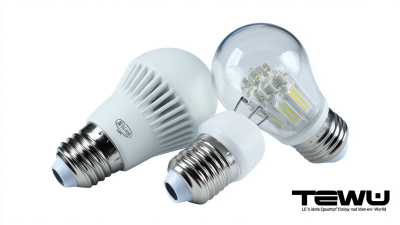
Top 10 Benefits of LED Lighting for Global Buyers
LED lighting has revolutionized the global lighting market. According to a report by the Department of Energy, LED lighting will account for 84% of all lighting by 2030. This shift is driven by the myriad benefits that LED lighting provides to consumers and industries alike.
The energy efficiency of LED lights is one of its most significant advantages. They use up to 75% less energy than traditional incandescent bulbs. This efficiency translates into substantial cost savings. Moreover, LED lights have a longer lifespan, often lasting 25,000 hours or more. This durability reduces the need for frequent replacements, leading to less waste.
Despite the numerous benefits, it's essential to recognize some challenges. Initial costs for LED lighting can be more significant. Some users might find the color temperature options confusing. Education about LED technology is lacking in certain demographics. Nonetheless, the long-term benefits far outweigh these initial hurdles. Embracing LED lighting can lead to improved energy management globally.

Advantages of Energy Efficiency in LED Lighting Solutions
Energy efficiency is a critical aspect of modern LED lighting solutions, benefiting consumers and the environment. Research from the U.S. Department of Energy indicates that LEDs use at least 75% less energy than incandescent lighting. This significant reduction translates to lower electricity bills for households and businesses alike.
Moreover, LED lights have a much longer lifespan compared to traditional bulbs. They can last up to 25,000 hours or more, reducing the need for frequent replacements. This longevity not only saves money but also minimizes waste. However, some consumers still overlook the initial investment cost, which can seem daunting. Yet, the long-term savings on energy bills and replacement costs make LEDs a sound investment.
Additionally, by using less energy, LEDs contribute to lower carbon emissions. The Environmental Protection Agency estimates that widespread adoption of LEDs could potentially reduce greenhouse gas emissions by 150 million tons annually. Despite these benefits, some concerns remain about the quality of light produced, which differs from traditional sources. It’s essential to consider factors like color temperature and brightness before making a switch. Awareness and research can help consumers make informed decisions about their lighting choices.
Longevity and Durability of LED Lights Compared to Traditional Options
LED lights stand out for their longevity and durability compared to traditional lighting options. According to the U.S. Department of Energy, LED bulbs can last up to 25,000 hours or more. In contrast, incandescent bulbs typically last only about 1,000 hours. This difference in lifespan leads to fewer replacements, reducing waste and maintenance costs.
Another crucial aspect is durability. LED lights are solid-state lighting, which makes them more resistant to shocks and vibrations. This resilience helps them perform well in various environments, whether it's an outdoor setting or areas prone to physical impact. A study by the National Electrical Manufacturers Association states that LED fixtures outperform traditional options in energy efficiency by nearly 80%. Despite these advantages, some buyers may still hesitate to switch due to the initial investment cost.
There’s also the issue of heat generation. Traditional bulbs emit a significant amount of heat, which contributes to a shorter lifespan and higher cooling costs. LEDs, on the other hand, convert 95% of energy into light instead of heat. However, the adoption rate is uneven. Some users remain skeptical, indicating a need for ongoing education about the benefits of LED technology. Understanding these factors can help buyers make informed choices.
Environmental Impact of LED Lighting: Reducing Carbon Footprint
LED lighting is transforming our approach to energy consumption. Unlike traditional bulbs, LEDs use less electricity, significantly lowering energy bills. Their longevity means fewer replacements, which directly results in less waste. By reducing the amount of energy needed, LEDs are helping to decrease our carbon footprint.
The production of LED lights can still impact the environment. However, their efficiency compared to incandescent and fluorescent lights is more beneficial in the long run. With ongoing advancements in technology, the gap between environmental impact and benefits continues to widen. Transitioning to LED lighting can be a crucial part of a sustainable plan for homes and businesses alike.
Many buyers overlook the importance of end-of-life disposal for LED products. Proper disposal methods can mitigate potential harm to the environment. Awareness is key, and improvements are still needed in recycling processes. Every step taken towards sustainable lighting can lead to substantial reductions in greenhouse gas emissions. It's a collective responsibility to ensure our choices align with a greener future.
Cost Savings Over Time: LED Lighting as a Financial Investment
LED lighting has emerged as a significant financial investment for many businesses and homeowners. According to the U.S. Department of Energy, LED lights can be 75% more energy-efficient than incandescent lighting. Over a lifespan of 25,000 to 50,000 hours, this translates into substantial savings on electricity bills. For a facility operating 24/7, the cost reductions can be dramatic.
Maintenance costs also decline sharply with LED lighting. Their durability means fewer replacements and lower labor expenses related to fixture upkeep. Reports indicate that LED lights can last up to 25 times longer than traditional bulbs. This longevity decreases the frequency of purchases and installation efforts, adding to long-term financial benefits.
Despite initial installation costs being higher than standard lighting, the long-term savings are evident. Many companies might find the upfront investment challenging. However, breaking down the total cost of ownership reveals the true value over time. Reflecting on these aspects, it's crucial for buyers to weigh short-term expenses against long-term gains, realizing that LED lighting is not just a choice but a strategic investment.
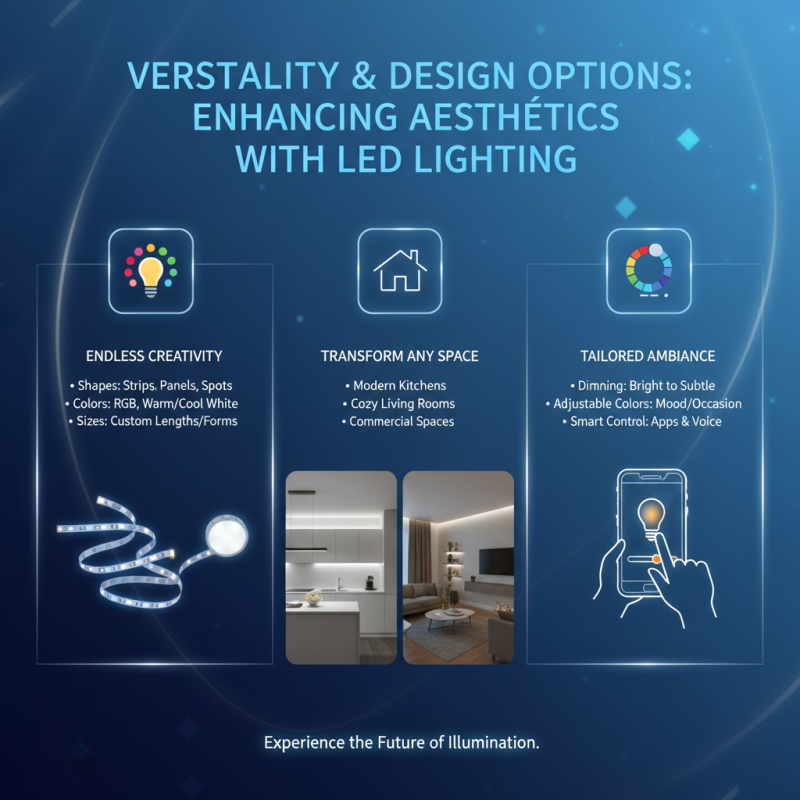
Versatility and Design Options: Enhancing Aesthetics with LED Lighting
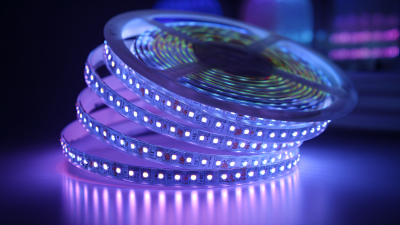
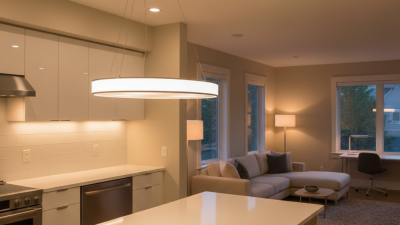
LED lighting offers a wide array of design options that can transform any space. These lights come in various shapes, colors, and sizes, providing endless possibilities for creativity. Whether it’s a sleek modern kitchen or a cozy living room, LED options enhance the aesthetic appeal sharply. With dimming features and adjustable colors, users can tailor the ambiance to suit their mood or occasion.
The versatility of LED lighting extends beyond basic illumination. Decorative fixtures and smart designs can seamlessly integrate into different environments. Some people struggle to choose the right fixture or color scheme. It’s crucial to consider the overall design of the space. Often, the wrong choice can overshadow a perfectly curated setup. Experimenting with lights can lead to unexpected outcomes.
Highlighting architectural features and art pieces is another way to utilize LED lighting effectively. Spotlighting can create dramatic effects or highlight textures. However, less experienced users might find it challenging to strike the right balance. Over-lighting in certain areas can detract from the intended design. Exploring different angles and intensities can yield innovative results.