Best Factory Workshop Light Solutions for Global Buyers?
In the quest for optimal lighting solutions, the significance of a well-lit factory workshop cannot be understated. Factory Workshop Light plays a pivotal role in enhancing productivity and ensuring worker safety. Insufficient lighting can lead to accidents and decreased efficiency. As global buyers search for effective solutions, they must consider various factors like energy efficiency, brightness levels, and installation techniques.
Selecting the right type of factory workshop light is crucial. Fluorescent lights have been a traditional choice, but LED options are gaining popularity due to their longevity and lower energy consumption. Different workshops have unique lighting needs. Hence, lighting solutions must be tailored to specific tasks and environments. This customization can be challenging, and industry expertise plays a vital role in guiding decisions.
Many buyers may overlook the importance of lighting design. A well-planned layout not only improves visibility but also minimizes shadows. It allows workers to perform tasks accurately and safely. However, some companies might hesitate to invest in quality lighting. The upfront costs can be daunting, yet the long-term benefits outweigh these initial concerns.
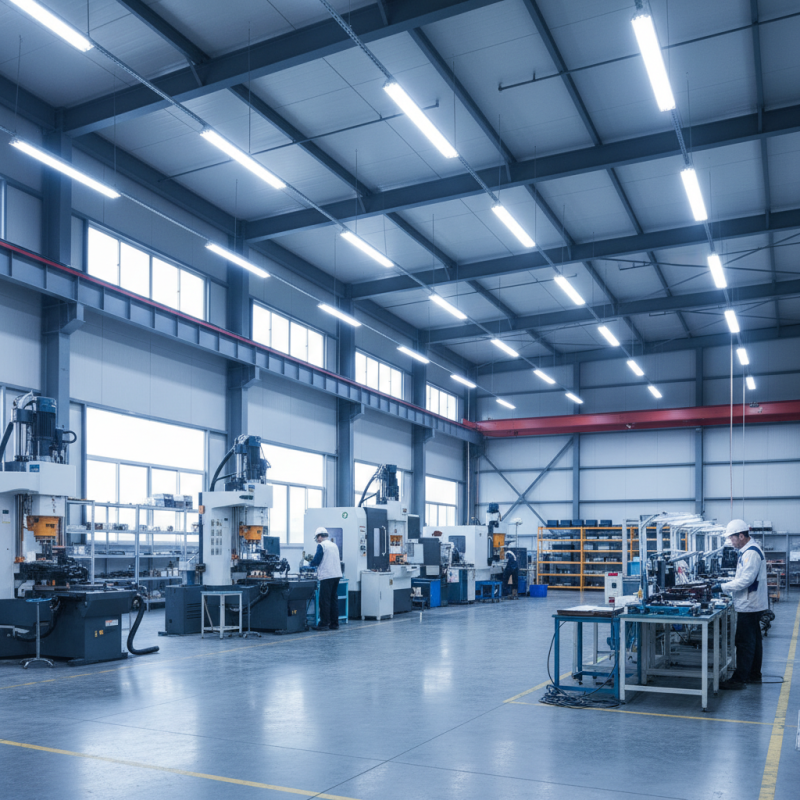
Overview of Factory Workshop Lighting Requirements
Effective lighting is crucial for factory workshops. Studies show that proper illumination can significantly boost productivity and safety. The Illuminating Engineering Society recommends a minimum of 300 lux for general work areas. For tasks requiring more precision, 750 lux may be necessary. These standards help ensure workers can see clearly while performing detailed jobs.
Different areas within a workshop require varied lighting solutions. For instance, assembly lines may benefit from bright, even lighting, while storage areas might only need basic illumination. Incorporating LED solutions offers energy savings and longer life spans. Reports indicate that LED lights can reduce energy costs by up to 75%. However, some factories still rely on outdated lighting. This can lead to higher operational costs and unsafe working conditions.
Understanding the specific needs of a factory is essential. Factors such as ceiling height and workspace configuration must inform lighting design. Regular assessments can identify areas needing improvement. Many facilities overlook the importance of integrating natural light. Well-placed windows and skylights create a more inviting atmosphere. Workers tend to feel more engaged in well-lit environments, boosting morale. A balanced approach is key to successful factory workshop lighting.
Best Factory Workshop Light Solutions for Global Buyers
This chart displays the distribution of different types of lighting solutions used in factory workshops globally, showcasing the preferences of global buyers.
Types of Lighting Solutions Suitable for Workshops
When considering lighting solutions for workshops, it's crucial to select options that enhance safety and productivity. Bright and consistent illumination helps prevent accidents. LED lights are popular due to their energy efficiency and long lifespan. They provide crisp lighting that makes tasks easier and less strainful on the eyes. Additionally, their low heat output keeps the workshop cooler.
Fluorescent lights are another solution often found in workshops. They produce a broad spectrum of light, suitable for various tasks. However, their flicker can be bothersome, and they may require more frequent replacements. Moreover, there are challenges with color rendering, which can impact work quality.
Task lighting has its place too. It allows workers to focus on specific areas. Adjustable lamps can highlight intricate tasks, but they need to be carefully positioned. Poor placement may create shadows and lead to errors. Natural light is also a consideration; using windows or skylights can enhance overall brightness. Balancing these elements ensures a productive and safe working environment.
Key Factors to Consider When Choosing Workshop Lights
When selecting workshop lights, several key factors must be considered to ensure optimal performance. One primary aspect is the color rendering index (CRI). Lights with a CRI of 90 or above provide better clarity and color accuracy, which is essential for precision tasks. Research shows that incorrect color perception can lead to costly errors in manufacturing. According to a recent industry report, improving lighting quality can decrease errors by up to 20%.
Another factor is energy efficiency. LED lights, for example, consume significantly less energy compared to traditional bulbs. A study by the Department of Energy highlighted that switching to LED can reduce energy costs by 75% in industrial settings. This transition not only lowers expenses but also positively impacts the environment.
Additionally, consider the light distribution in the workshop. Uniform lighting prevents shadows and enhances visibility. Industries report that uneven lighting can lead to worker fatigue, impacting productivity. Striking a balance between brightness levels and light placement can result in a safer, more efficient workspace. As you assess various options, ask whether your current workshop lighting truly meets these critical needs.
Benefits of LED Lighting in Industrial Environments
LED lighting has transformed industrial environments, offering significant benefits over traditional lighting solutions. In factories and workshops, adequate lighting is crucial for safety and productivity. LED lights provide clear illumination, reducing shadows and dark spots that may hinder work. They are energy-efficient, consuming less power while providing the same, if not better, brightness. This efficiency leads to lower energy bills, a major concern for many industrial facilities.
Another advantage of LED lights is their longevity. They can last up to 50,000 hours or more, significantly reducing the frequency of replacements. This longevity means less maintenance and downtime, which can be costly in industrial operations. However, the initial investment can be higher than traditional options. Facilities must weigh this upfront cost against long-term savings and benefits.
In terms of environmental impact, LED lighting is a better choice. They contain no harmful materials, such as mercury, which is commonly found in fluorescent lights. This aspect aligns with sustainability trends in the industry. However, the challenge remains in ensuring that all employees are trained to properly utilize and maintain these systems. Proper training helps maximize the benefits while minimizing potential issues that could arise from improper usage.
Top Global Suppliers of Workshop Lighting Solutions
In the quest for efficient workshop lighting solutions, global suppliers play a crucial role. The workshop lighting market is projected to reach $10 billion by 2026, reflecting the significant demand for high-quality lighting in industrial spaces. Factors like energy efficiency and durability drive buyers' choices. A technical report indicates that LED lighting can improve visibility by up to 60%, enhancing workplace safety and productivity.
Tips for choosing lighting: Always consider lumens per watt, as higher numbers indicate better efficiency. Look for fixtures that offer adjustable brightness. This helps accommodate various tasks in your workshop. Using multiple light sources can reduce shadows and improve overall visibility.
Exploring global suppliers reveals diverse products tailored to different needs. While many options exist, it’s essential to reflect on the implications of your choices. The long-term cost of energy use versus the initial purchase price must be weighed. Additionally, opting for sustainable lighting can mitigate environmental impact, making it a wise investment for the future.
Best Factory Workshop Light Solutions for Global Buyers
| Lighting Type | Power Consumption (W) | Luminous Flux (lm) | Color Temperature (K) | Average Lifespan (hrs) | Energy Efficiency |
| LED High Bay Light | 150 | 21000 | 4000 | 50000 | A++ |
| Fluorescent Tube Light | 36 | 3000 | 6500 | 20000 | B |
| Industrial Pendant Light | 100 | 12000 | 3000 | 30000 | A+ |
| LED Work Light | 50 | 6000 | 5000 | 40000 | A++ |
| HID Flood Light | 400 | 36000 | 3000 | 15000 | C |