2026 How to Choose the Right LED Fixtures for Your Home Lighting Needs?
Choosing the right LED fixtures for your home can be overwhelming. With numerous options available, it’s easy to feel lost. LED fixtures are not just about bright lights; they also set the mood in your space. The right fixtures can enhance decor and functionality, making your home feel inviting.
Different areas require different types of lighting. For instance, kitchens benefit from bright, focused light. Cozy living rooms may use softer, warmer tones to create comfort. Think about your daily activities. Do you need bright light for work? Or soft light for relaxation? A balance is key.
It’s also important to consider energy efficiency. LED fixtures consume less power than traditional bulbs, saving money in the long run. However, not every LED fixture is created equal. Quality can vary, and it’s crucial to research before making a choice. Reflect on your needs and preferences. Do not rush; the right lighting can significantly improve your home environment.
Understanding LED Fixture Types: A Comprehensive Overview
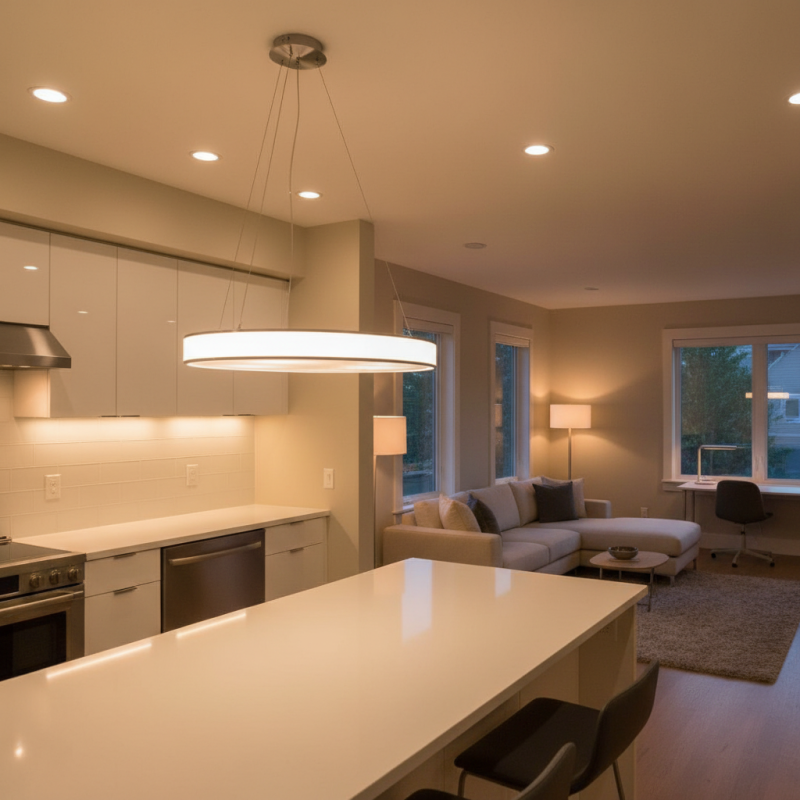
Choosing the right LED fixtures can be daunting. There are various types available, each suitable for different needs and spaces. Ceiling mounted fixtures are great for general lighting. They can brighten any room effectively. For task lighting, consider under-cabinet and desk lamps. These solutions focus light where you need it most.
Tip: When selecting fixtures, consider the bulb color temperature. Soft white creates warmth. Daylight mimics natural light, adding vibrancy.
Wall sconces and pendant lights provide flair and function. Sconces are perfect for hallways. Pendants can accent dining areas or kitchens. Understand your room’s layout. It helps in choosing the right placement and style.
Tip: Always measure your space before purchasing. A too-large fixture can dominate a small room. Think about how light interacts with your decor. The wrong choice can dim the overall feel of your home.
It's easy to get overwhelmed, but don't rush your decision. Consider function, aesthetics, and energy efficiency. Reflect on how you live in your space. The right fixture enhances your home’s atmosphere.
2026 How to Choose the Right LED Fixtures for Your Home Lighting Needs? - Understanding LED Fixture Types: A Comprehensive Overview
| Fixture Type |
Ideal Use |
Light Output (Lumens) |
Energy Efficiency (Wattage) |
| Recessed Lighting |
Living Rooms, Kitchens |
600-800 |
8-15 |
| Pendant Lights |
Dining Areas, Kitchen Islands |
400-1000 |
6-12 |
| Wall Sconces |
Hallways, Bedrooms |
200-600 |
4-10 |
| Track Lighting |
Art Displays, Home Offices |
500-1200 |
10-20 |
Assessing Your Home Lighting Needs: A Room-by-Room Approach
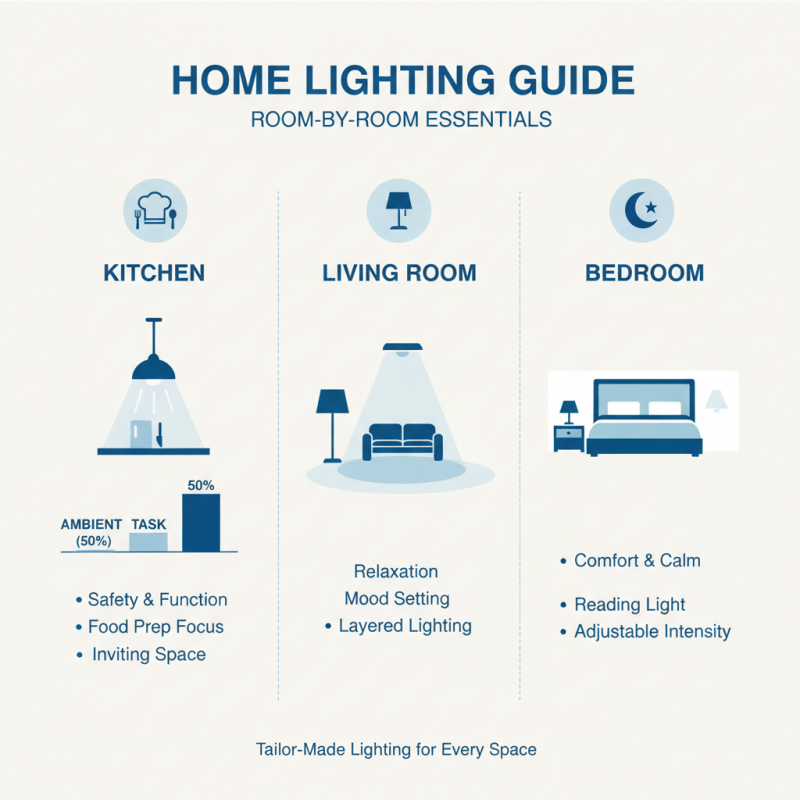
When assessing your home lighting needs, a room-by-room approach is essential. Each space serves different purposes and requires tailored lighting solutions. For instance, the kitchen often necessitates brighter, focused lighting for safety and functionality. A recent study indicated that task lighting should comprise about 50% of the overall lighting in this space. This helps in food preparation and makes the area feel more inviting.
In contrast, living rooms benefit from softer ambient lighting. A balance of light can enhance comfort and promote relaxation. Designers recommend using a combination of fixtures to create layers of light. This could involve ceiling fixtures, floor lamps, and wall sconces. Too harsh lighting can lead to discomfort, affecting mood and productivity. It’s important to consider the color temperature as well. Warmer tones can create a cozy atmosphere, while cooler lights may boost focus.
Bedrooms should provide a calming effect. Utilizing dimmable lamps can help achieve this. Sleep experts suggest reducing light intensity in the evening to prepare for rest. However, many overlook the significance of lighting in promoting a healthy sleep environment. Reflecting on illumination’s impact on daily activities can lead to better choices. It’s crucial to evaluate how each room’s lighting aligns with personal comfort levels and specific functions.
Evaluating Brightness: Lumens vs. Watts in LED Lighting
When selecting LED fixtures, understanding brightness is crucial. Lumens and watts serve different purposes in lighting. Lumens measure light output. The higher the lumens, the brighter the light. Watts, on the other hand, indicate energy consumption. Using lower wattage does not always result in lower brightness. This can lead to confusion.
In many cases, consumers prioritize watts over lumens. They assume that more watts mean more light. This is a common misconception that can lead to poor lighting choices. A well-lit room with minimal energy usage is possible. Focus on lumens for the desired brightness level.
Consider a living room fixture. It needs adequate lumens to illuminate the space well. If you choose a fixture based solely on watts, you might end up with dim lighting or overspending on energy. Evaluate how much brightness you need for different areas.
Task lighting might require more lumens. Ambient lighting can be softer. Finding the
right balance can feel overwhelming but is essential for a comfortable home environment.
Color Temperature Explained: Choosing the Right Ambiance
Choosing the right color temperature is crucial for creating the desired ambiance in your home. Color temperature is measured in Kelvins (K) and ranges from warm to cool tones. Warm light (2700K-3000K) creates cozy and inviting spaces. This is perfect for living rooms and bedrooms, where relaxation is key. On the other hand, cool light (4000K-5000K) offers a brighter, more energizing feel. This works well in kitchens or offices where focus and clarity are essential.
However, selecting the right color temperature can feel overwhelming. Some may prefer a softer glow, while others might lean towards a more vibrant atmosphere. It's important to test different temperatures in various rooms. The same space can have different needs at different times. Perhaps your kitchen feels too clinical under cool light during dinner. Or, maybe your living room lacks warmth with a cooler tone. Don't hesitate to experiment until you find the balance that resonates with your lifestyle and activities.
Cost-Efficiency: Long-Term Savings of LED Fixtures vs. Traditional Lighting
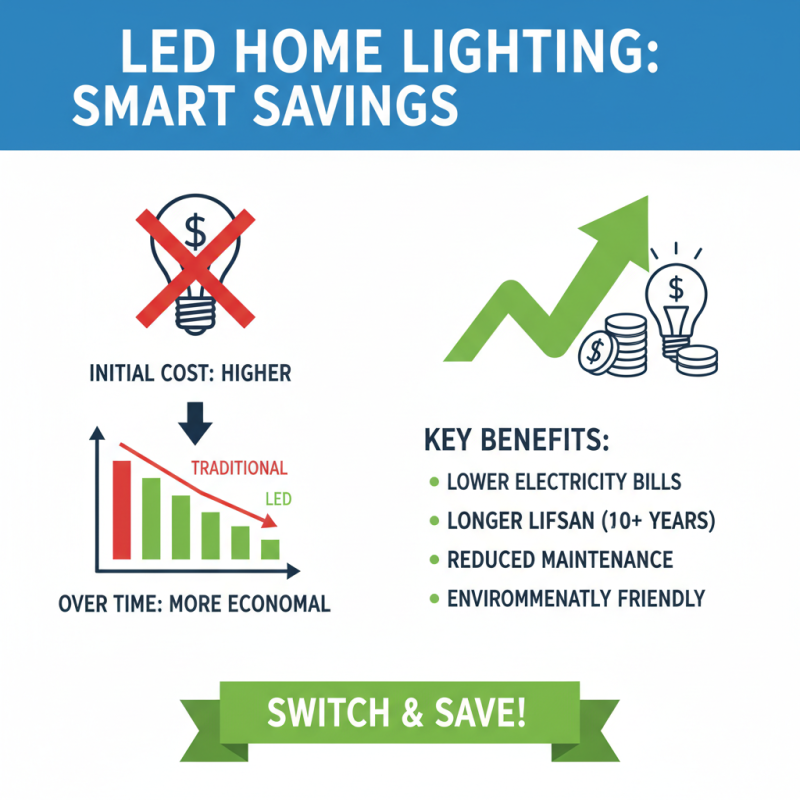
LED fixtures have become increasingly popular in home lighting. One of the key reasons is their cost-efficiency. Initially, LED lights may seem expensive. Yet, over time, they prove to be more economical than traditional lighting.
Using less energy is a significant advantage of LED fixtures. These lights consume up to 80% less energy compared to incandescent bulbs. This efficiency translates into lower electricity bills each month. Many households have reported significant savings after switching to LEDs. However, not every LED fixture offers the same efficiency. It's vital to research and choose wisely.
Longevity is another critical factor. LEDs can last up to 25,000 hours, far surpassing traditional bulbs. This means fewer replacements, reducing waste and ongoing costs. However, some users might forget to factor in the initial investment. While LEDs save money in the long run, the upfront cost can be a hurdle. It requires careful budgeting and planning. Consider these aspects when selecting the right LED fixtures for your home.