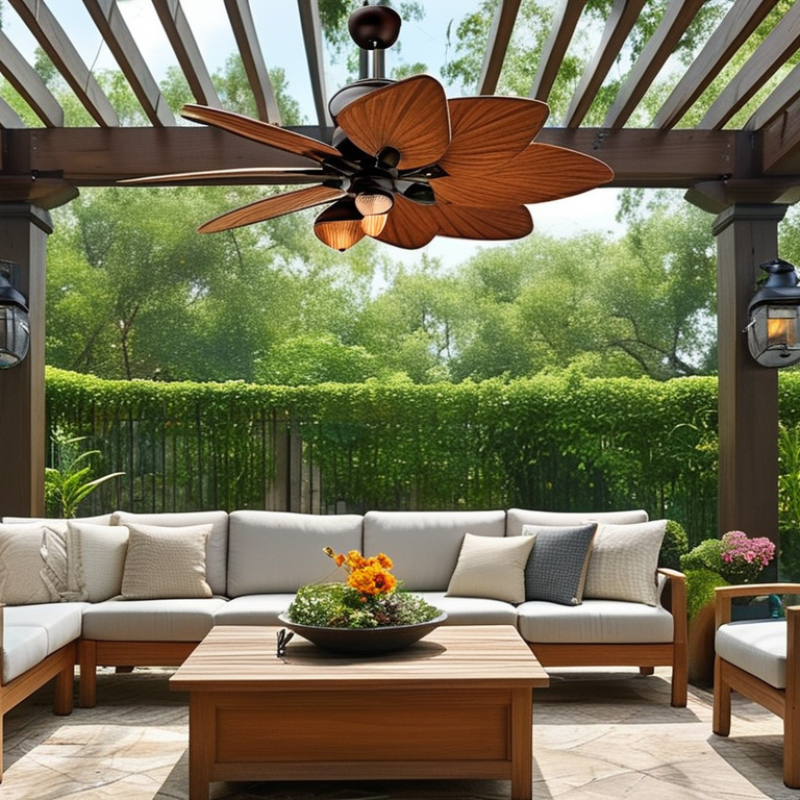
How to Choose the Best Outdoor Ceiling Fans for Your Space?
Choosing the right Outdoor Ceiling fan can significantly enhance your outdoor space. The right fan not only provides comfort but also adds style. With many options on the market, making a decision may feel overwhelming.
Consider the size of your outdoor area. A larger space may require multiple fans or one with a big blade span. Additionally, think about the fan's material. Weather-resistant materials ensure durability. Think about design as well. Fans come in various styles that can match your outdoor decor.
Don't overlook energy efficiency. Several models offer eco-friendly options. A poorly chosen fan can lead to high energy bills. It's essential to weigh pros and cons. Finding the perfect Outdoor Ceiling fan is a journey. It requires research and reflection. Making an informed decision will surely elevate your outdoor experience.
Understanding the Importance of Outdoor Ceiling Fans in Your Space
Outdoor ceiling fans play a crucial role in enhancing the comfort and functionality of outdoor spaces. According to a report by the U.S. Department of Energy, using ceiling fans can increase comfort levels while also reducing cooling costs. Outdoor ceiling fans can lower the perceived temperature by up to 10 degrees Fahrenheit. This cooling effect allows homeowners to enjoy their patios, gardens, or decks during warm months without relying solely on air conditioning.
In addition to comfort, outdoor ceiling fans contribute to improving air circulation. They help to disperse humidity, which can make outdoor gatherings more enjoyable. The American Society of Heating, Refrigerating and Air-Conditioning Engineers (ASHRAE) notes that proper ventilation is key to maintaining a healthy outdoor environment. However, not all fans are designed for outdoor use. Choosing a fan with wet or damp ratings is essential to ensure durability and performance.
Aesthetics also cannot be overlooked. The right fan can enhance the overall look of an outdoor space. Many homeowners find it challenging to blend functionality with style. Tasteful design is important, yet one should consider the technical aspects. Features such as energy efficiency and weather resistance often take a back seat to visual appeal. It is crucial to strike a balance between form and function for the best results.
Evaluating the Key Features of Outdoor Ceiling Fans
When selecting outdoor ceiling fans, evaluating key features is essential for making the right choice. One critical aspect is the fan's motor type. High-quality fans typically feature a DC motor, which is more energy-efficient than its AC counterpart. According to the U.S. Department of Energy, DC motors can decrease energy consumption by up to 70%, which can lead to notable savings over time.
Another important feature is the fan's blade material. Stainless steel or ABS plastic blades are often recommended because they are resistant to rust and fading. A study from the American Society of Heating, Refrigerating and Air-Conditioning Engineers indicates that the right blade pitch can enhance airflow efficiency, affecting comfort levels significantly. Furthermore, an outdoor fan should be rated for wet or damp conditions to ensure durability and safety in all weather types.
Light features also deserve attention. Many outdoor ceiling fans come with integrated lighting options, adding versatility to your outdoor space. However, the integration of lights might increase the fan's weight and complexity. It’s worth considering how well the fan’s additional features align with your specific needs, such as ambiance and practicality. Balancing aesthetics, functionality, and efficiency is key when outfitting your outdoor area.
Selecting the Right Size for Your Outdoor Area
Choosing the right size for your outdoor ceiling fan is crucial for comfort and aesthetic balance. A fan that is too small may struggle to circulate air effectively, leaving you feeling hot on warm days. Conversely, a fan that is too large can overwhelm the space, making it feel cramped and uncomfortable. Measure your outdoor area carefully to determine the ideal fan size.
In general, for areas up to 75 square feet, fans with a blade span of 36 inches are suitable. For larger spaces, such as patios and decks, consider fans with 48 to 54-inch blade spans. Avoid placing a small fan in a large area; it can create too little airflow. It's also worth reflecting on the height of your ceiling. A fan should be at least 7 to 9 feet above the ground for optimal operation.
Consider the style and layout of your outdoor space. A fan’s design should complement your decor rather than clash with it. Visualize the fan's position before making the final selection. Be mindful of any obstacles, such as lighting fixtures or beams, that could hinder airflow. A well-chosen fan enhances your outdoor experience, while a poor choice may lead to discomfort.
Choosing the Appropriate Material for Durability and Aesthetics
Choosing the right material for outdoor ceiling fans is crucial for both durability and aesthetics. Common materials include galvanized steel, aluminum, and plastic composites. According to a report from the American Society of Landscape Architects, around 70% of homeowners prioritize durable materials to withstand harsh weather conditions. Aluminum is often recommended for its lightweight properties and resistance to rust. However, not all aluminum is created equal; thicker grades can ensure longevity.
When it comes to aesthetics, wood is a popular choice. Although it adds a warm, natural look, untreated wood can warp over time. A 2022 market research report indicated that 55% of consumers prefer finishes that enhance wood grain while offering weather resistance. Composite materials can mimic wood’s appearance, providing a balance between beauty and function.
When selecting a ceiling fan, consider maintenance requirements. Some materials need regular upkeep to prevent degradation. Regular cleaning and occasional resealing can extend the life of your fan. Pay attention to color choices as well; lighter colors can help reflect sunlight, maintaining the fan's appearance longer compared to darker shades.
Considering Energy Efficiency and Fan Performance Factors
When selecting outdoor ceiling fans, energy efficiency is a key consideration. Fans with high Energy Star ratings can cut energy costs by up to 40%. This is vital, especially in regions with prolonged warm weather. It’s essential to look for models with DC motors, as they typically use 70% less energy than traditional AC motors. This means better performance and lower electricity bills.
Fan performance also hinges on airflow, measured in cubic feet per minute (CFM). According to industry reports, a good outdoor ceiling fan should produce at least 5,000 CFM. This ensures effective cooling for larger spaces. Additionally, consider the fan blade pitch. A steeper pitch can enhance airflow efficiency. Fans with blades angled between 12 to 15 degrees are considered optimal for outdoor settings.
While aesthetics are important, they shouldn't overshadow functionality. Make sure the chosen fan is weather-resistant, as outdoor environments can cause wear and tear. This is an aspect often overlooked but crucial for longevity. Regular maintenance, such as cleaning blades, can improve airflow and overall performance. Ultimately, finding the right balance between style and performance requires thoughtful consideration.