How to Choose the Best Eave Lighting for Your Home?
When selecting Eave Lighting for your home, many factors come into play. Renowned lighting designer, Mark Anderson, states, “Eave lighting is crucial for enhancing your home's exterior and safety.” This highlights the importance of choosing the right fixtures.
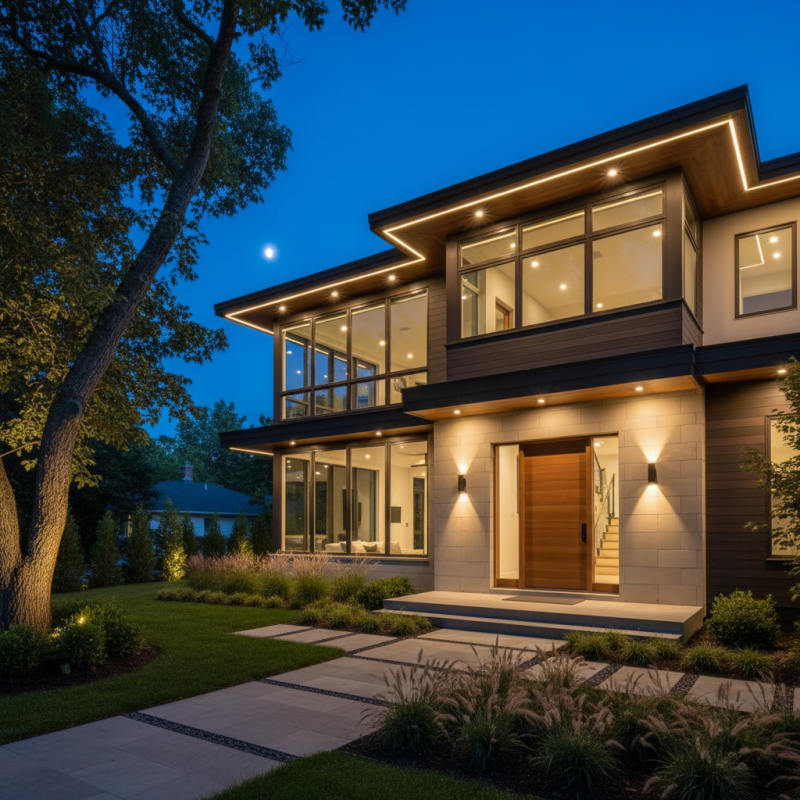
Eave lighting not only offers a warm ambiance but also serves practical purposes. It illuminates entrances and pathways, making them safer at night. Choosing the wrong light can lead to harsh glare or dark spots. These mistakes can detract from your home's charm.
Consider the style of your home. Modern, traditional, or rustic designs require different types of fixtures. Focusing on wattage and energy efficiency is also essential. The wrong choice can result in high energy bills over time. Understanding these elements will help you select the best eave lighting for your needs.
Understanding the Different Types of Eave Lighting Options
Eave lighting enhances both safety and aesthetics. Understanding the different types is vital for effective selection. Common options include LED downlights, recessed fixtures, and floodlights. According to recent data, LED lights consume 75% less energy than traditional bulbs. This makes them popular due to efficiency and longevity.
When choosing eave lighting, consider brightness levels. Different bulbs produce varying lumens, which can affect visibility. For instance, a 100-watt incandescent bulb gives about 1600 lumens. This is quite insufficient for larger eaves. Many people overlook how color temperature impacts mood. Cooler lights may create a sterile feel, while warmer lights invite comfort.
It's worth reflecting on placement. Proper positioning reduces glare and shadowing. Some homeowners install fixtures too high, which can diminish effectiveness. A common pitfall is neglecting seasonal changes. In winter, increased shadows may require brighter settings. Understanding these nuances plays a crucial role in selecting the right eave lighting for your space.
Evaluating Your Home's Architectural Style and Lighting Needs
When selecting eave lighting, the architectural style of your home is crucial. Your choice should complement your home’s design. A study showed that 54% of homeowners preferred lighting that matched their home’s exterior. For contemporary homes, sleek and minimalist fixtures work best. Vintage homes may benefit from ornate designs.
Evaluate your lighting needs too. Consider how much light is required for safety and aesthetics. Research indicates that adequate outdoor lighting can enhance curb appeal by up to 20%. Think about the placement. Fixtures should highlight architectural features without creating glare.
Keep in mind the overall ambiance you wish to create. Bright lights can feel harsh, while warm tones offer a cozy feel. However, too warm can obscure details. Balance is key. Aim for practical solutions while reflecting your unique style. With thoughtful consideration, eave lighting can significantly enhance your home’s character.
How to Choose the Best Eave Lighting for Your Home?
| Architectural Style | Recommended Eave Lighting Type | Ideal Bulb Type | Wattage Recommendation | Highlight Features |
| Traditional | Pendant Lights | Incandescent | 60-100W | Warm Glow |
| Modern | Recessed Lighting | LED | 12-15W | Sleek Finish |
| Rustic | Wall Sconces | CFL | 13-18W | Natural Materials |
| Contemporary | String Lights | LED | 7-10W per strand | Versatile Decor |
Selecting the Right Brightness and Color Temperature for Eave Lights
When selecting eave lighting, brightness and color temperature should be your top priorities. Brightness is measured in lumens. A higher lumen count means more light. However, too much brightness can cause glare. Aim for a balance that illuminates your home without overwhelming it. For front porches, around 300 to 800 lumens is often suitable.
Color temperature plays a crucial role in setting the mood. It's measured in Kelvin (K). A warm white (2700K to 3000K) creates a cozy, inviting space. Cooler temperatures (4000K to 5000K) provide a more modern, vibrant feel. Think about how you want your home to feel in the evening light. Sometimes, a cooler tone can make spaces feel sterile.
Remember, the location affects lighting effectiveness. Shadows from eaves can change how the light appears. Test different options where you plan to install lights. Consider how they interact with your home’s architecture and surrounding landscape. A light that looks great in a store may not have the same impact outside. Reflect on these aspects to make the right choice.
Brightness and Color Temperature in Eave Lighting
Considering Energy Efficiency and Longevity in Eave Lighting Choices
Choosing eave lighting can be a daunting task. Energy efficiency is key. Look for options that consume less power. LED lights are a popular choice. They last longer and use less energy compared to traditional bulbs. You can save money on your utility bills. That's a win for your wallet and the environment.
Consider the longevity of your choices. Some lights can burn out quickly. Replacing them often can be frustrating. Choose fixtures designed for outdoor use. They tend to withstand the elements better. Make sure to check their ratings. Look for ones that offer warranties. It's a sign of a quality product.
You might also reflect on installation. Easy-to-install options can save time and money. If you are not handy, hiring a professional is wise. However, this adds to your expenses. Balance cost and convenience carefully. The right eave lighting can enhance your home’s beauty and functionality, while also being kinder to your budget and the planet.
Installing and Maintaining Your Eave Lighting for Optimal Performance
Installing eave lighting can greatly enhance your home's appearance. However, it requires careful attention during installation and maintenance. Start by ensuring proper placement. Lights should highlight architectural features while avoiding glare. Incorrect angles can create dark spots or uneven lighting. Test the position before finalizing. Sometimes a simple adjustment makes a big difference.
Maintenance is equally important. Regular cleaning of fixtures prevents dirt buildup. Use a soft cloth to wipe down the bulbs and lenses. Also, check the electrical connections periodically. Loose wires can cause flickering. If you notice any issues, address them promptly. This ensures consistent performance.
Think about the type of bulbs used. LED options are energy-efficient, but they can cause shadows if not positioned right. Sometimes homeowners forget this detail and end up disappointed. Document any changes made to the lighting setup. This helps in troubleshooting future problems. Remember, even small mistakes can impact the overall look and functionality of your eave lighting.