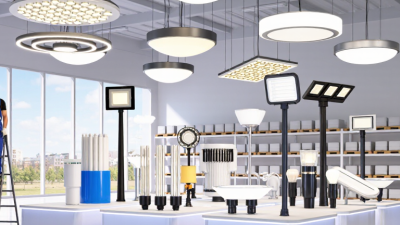
How to Choose the Best Lighting Light for Global Buyers?
Choosing the right Lighting Light for global markets is more complex than comparing brightness and price. Buyers must evaluate performance, safety, efficiency, durability, and compatibility with local conditions. A product that works well in a dry showroom may fail in a humid warehouse or a coastal hotel.
Practical experience shows that small details often affect the final result. Check the color temperature, beam angle, lumen output, dimming method, voltage range, and replacement process. Review technical datasheets carefully. Ask suppliers for test reports, warranty terms, installation guidance, and product samples. A sample placed above a retail shelf can reveal glare, shadows, and color distortion that product photos cannot show.
Compliance matters too. Global buyers should confirm applicable electrical, energy, and safety requirements in the destination market. Requirements may differ between countries and product categories. Independent laboratory testing can strengthen confidence, but certificates should still be verified with the issuing body. Do not rely on a supplier’s promise alone.
There is no universal best choice. Not always. Budget, application, climate, maintenance access, and customer expectations all shape the decision. Even experienced purchasing teams can overlook after-sales support or shipping damage risks. A reliable evaluation process compares the complete ownership cost, not only the unit price. This guide helps buyers ask sharper questions, identify weak evidence, and select lighting solutions with greater confidence. Some assumptions may need review as technology and regulations change.
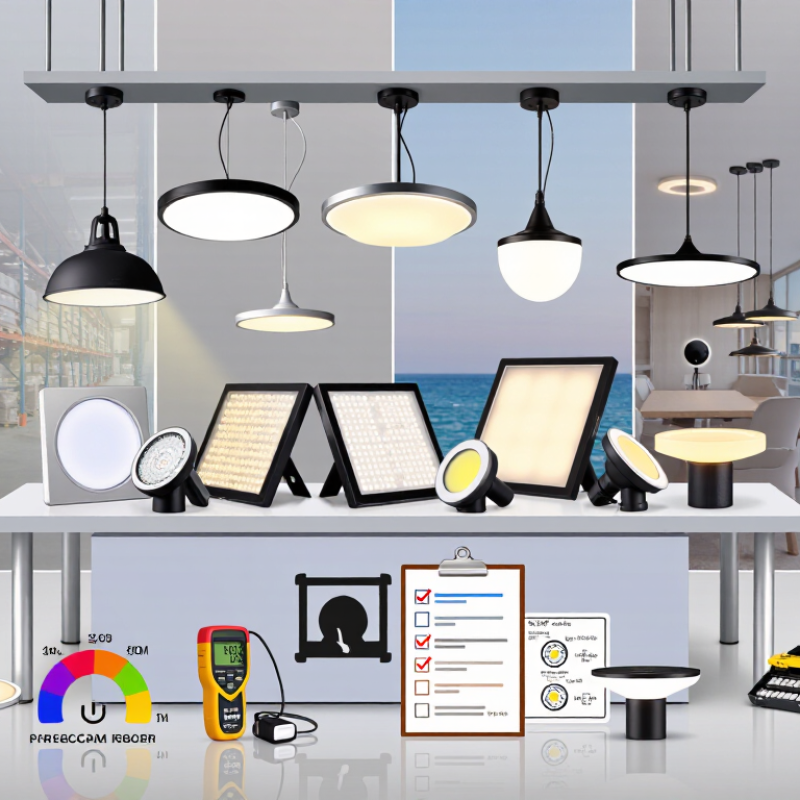
Define the Lighting Purpose, Space, and User Requirements
How to Choose the Best Lighting Light for Global Buyers?
Start with the lighting purpose, not the fixture’s appearance.
A reading corner needs focused, comfortable light. A warehouse requires broad coverage, clear visibility, and reliable operation. Decorative lighting serves a different purpose. It shapes mood more than detailed tasks. Ask what people will do under the light.
Measure the space before comparing products.
Note the ceiling height, room size, wall colors, and available wiring. Dark surfaces absorb more light. Glossy surfaces may create uncomfortable reflections. For offices or kitchens, check brightness, glare control, and color rendering. Warm light can suit bedrooms, while neutral light often supports work areas. User age also matters. Older users may need stronger, better-distributed illumination. Small details affect daily comfort.
Global buyers should also check voltage, frequency, installation method, heat control, and suitable environmental ratings.
Damp locations need appropriate protection. Product documents should state lumen output, color temperature, lifespan testing, and safety compliance for the destination market. These details improve purchasing reliability. Still, specifications are not the whole answer. I have seen a technically efficient light feel harsh in a real room. A sample test helps. View it at the actual mounting height, during the intended use period. Let users comment.
People may prefer different brightness levels.
There is no universal setting. A careful choice balances purpose, space, and human needs. Sometimes, a less powerful light works better.
Compare Light Sources, Brightness, Color Temperature, and Color Rendering
Choosing lighting for global buyers starts with the light source, not the package.
LED uses less energy and stays cool during long operating hours. Fluorescent lighting can provide broad illumination, but disposal requirements vary by market. Halogen lamps render colors naturally, yet their heat and power demand limit practical use. I once selected a lamp by wattage alone. The room looked dim. That mistake still influences my checks.
Brightness should be judged in lumens, while lux describes light reaching a surface. A reading lamp may need focused lux near the page. A large warehouse needs high total lumens, not just a bright-looking bulb. Beam angle matters. Narrow beams create sharp pools; wide beams reduce shadows but may feel weak. Check measured performance at the intended distance. Manufacturer claims can vary with test conditions, so independent reports deserve attention.
Color temperature changes a room’s character. Warm 2700–3000 K suits bedrooms and hospitality spaces. Neutral 3500–4500 K supports kitchens, offices, and retail counters. Cooler light can help detailed work, but excessive blue content may feel harsh at night. Color rendering deserves equal attention. A CRI of 80 is acceptable for general areas; 90 or higher is safer for food, art, textiles, and photography. Compare red rendering when accurate skin tones matter. My judgment is not perfect: wall color, personal preference, and camera exposure can distort impressions.
Check Energy Efficiency, Lifespan, Safety, and Environmental Standards
How to Choose the Best Lighting Light for Global Buyers?
Choosing a lighting product for international use requires more than comparing brightness and price. In field evaluations, I check wattage, delivered lumens, and power factor against the supplier’s test report. A low-wattage lamp is not automatically efficient. It may produce weak light or lose output quickly. Ask for measured performance at the intended voltage and frequency. This small detail prevents unpleasant surprises after installation.
Lifespan claims need careful reading. Look for rated life, lumen maintenance, switching cycles, and test temperature. A lamp rated for 25,000 hours may perform differently in a hot, enclosed ceiling. I prefer products with clear thermal data and traceable laboratory documents. Safety deserves equal attention. Check insulation, heat resistance, ingress protection, and protection against electric shock. Installation instructions should match local wiring rules, not just generic diagrams. When uncertain, use a qualified electrician.
Environmental compliance also varies by destination. Confirm restrictions on hazardous substances, recycling duties, packaging, and energy labels in each market. Recognized conformity marks help, but they do not replace independent verification. Request declarations, test dates, and model numbers matching the shipped product. I have seen paperwork look complete while the physical unit differed slightly. That gap is easy to miss. A sample inspection before shipment is wiser than trusting a polished brochure.
How to Choose the Best Lighting Light for Global Buyers?
Compare typical performance values for common lighting technologies. Higher luminous efficacy means more light output per watt, while a longer rated life can reduce replacement and maintenance costs.
Safety and environmental checklist: Confirm compliance with IEC 60598-1 for luminaire safety, IEC 62471 for photobiological safety, and applicable RoHS requirements for restricted substances. CFL products contain a small amount of mercury and require appropriate recycling, while LED products contain no mercury. Values shown are representative industry figures and may vary by product design, operating conditions, and regional regulations.
Match Voltage, Certifications, Controls, and Installation Conditions
How to Choose the Best Lighting Light for Global Buyers?
Choosing lighting for international projects involves more than comparing brightness and price. In real installations, voltage mismatches can cause flicker, overheating, or early failure. Check the destination’s nominal voltage, frequency, plug system, and acceptable tolerance before ordering. A fixture rated for 220–240 V may not suit a 110–120 V circuit. Request test reports, declarations, wiring diagrams, and clear installation instructions.
Voltage and documentation
Check the destination’s electrical requirements and request complete technical documents before ordering.
Certifications must match the destination market and the product’s actual use. Indoor, outdoor, damp, and dusty locations require different protection levels. Controls also need careful attention. Confirm whether the light supports switching, dimming, sensors, timers, or smart control systems. An incompatible dimmer may create buzzing or uneven brightness. Installation conditions matter too, including ceiling material, available space, ambient temperature, and access for maintenance. A specification sheet can look complete, yet miss one practical detail.
Tips:
Confirm voltage first. Test one sample locally. Check the control protocol. Measure the mounting area. Ask a qualified electrician to review the wiring. Do not assume a familiar connector fits every country. I have learned that small details, such as a shallow ceiling box or unstable supply, can change the best choice. Recheck the documents before shipment, because a neat product file does not guarantee an effortless installation.