How Do Color Changing Lights Work and Their Benefits?
Color-Changing Lights have revolutionized modern lighting, offering a captivating blend of functionality and aesthetics. According to a report by Market Research Future, the global market for LED lights, including color-changing options, is expected to exceed $150 billion by 2027. This reflects a growing trend towards personalized and dynamic environments in homes and public spaces.
Expert in lighting technology, Dr. Jane Thompson, states, "Color-Changing Lights not only enhance ambiance but also influence mood and productivity." This statement underscores the significant psychological impact of such lighting options. The versatility of Color-Changing Lights allows users to adjust colors according to different activities or times of day. This adaptability is appealing yet can be overwhelming for some consumers unsure of how to incorporate these lights effectively.
Despite their advantages, many users report difficulty in selecting suitable colors and setups. Choosing the wrong hue can inadvertently affect the desired atmosphere. As more products flood the market, the challenge is ensuring that Color-Changing Lights serve their intended purpose without complicating users' experiences further.
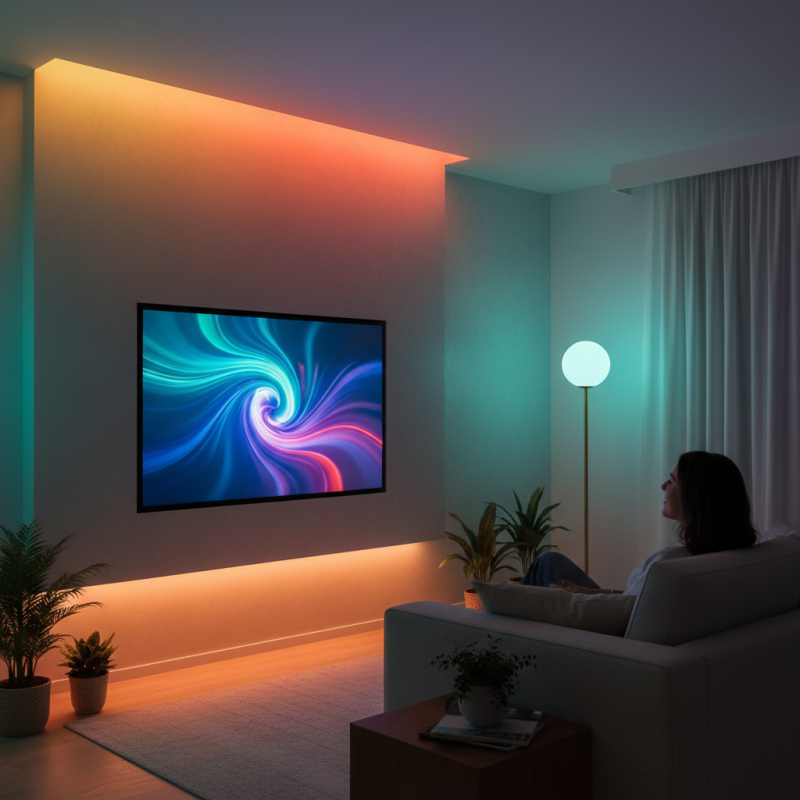
Understanding the Basics of Color Changing Lights
Color changing lights utilize LED technology to produce a spectrum of colors. Inside these lights, small diodes emit light when an electric current passes through. Advanced circuits control the mix of colors. This allows for endless color combinations. For many, it can transform the atmosphere of a room instantly.
Using these lights has various benefits. For example, they can set the mood for different activities. A warm hue can create a cozy setting. Conversely, brighter colors can energize a workspace. With the ability to change colors, individuals can express themselves creatively. However, not everyone may appreciate such variability in lighting.
Some people find color-changing lights overwhelming. The constant shifts can be distracting. Others question whether they provide true comfort. Additionally, the energy-saving features can sometimes be misleading. While they are often promoted as eco-friendly, the manufacturing process can have a significant environmental impact. Overall, understanding how color-changing lights work can enhance your home or workspace. But, it’s essential to weigh their pros and cons.
How Do Color Changing Lights Work and Their Benefits? - Understanding the Basics of Color Changing Lights
| Feature | Description | Benefits |
| Technology | Uses LEDs that can change colors | Energy-efficient and versatile |
| Control Methods | Remote control, smartphone apps, voice control | Convenience and accessibility |
| Color Options | Wide range of colors and color-changing modes | Customization for mood and décor |
| Applications | Home, events, stage lighting, mood lighting | Versatile use for different settings |
| Health Benefits | Can improve mood and reduce stress | Promotes well-being in spaces |
| Installation | Easy to install and set up | Time-saving and user-friendly |
The Technology Behind Color Changing Lights: How They Work
Color changing lights utilize LED technology to create a spectrum of colors. This innovation relies on various combinations of red, green, and blue (RGB) lights. Adjusting these colors produces different hues. According to a report by the Lighting Research Center, this technology is up to 80% more energy-efficient than traditional incandescent bulbs.
The smart control systems that manage color changing lights often use wireless protocols. This makes them compatible with smartphones and other devices. Users can adjust the ambiance from anywhere in their home. A study by the International Energy Agency (IEA) revealed that smart lighting can lead to an energy consumption reduction of 60% when utilized effectively.
Tips for using color changing lights effectively include experimenting with different color temperatures to enhance mood. Warmer tones can create a cozy feeling, while cooler tones can boost energy. Consider using timers—these can automate when lights change color, promoting a sense of routine. However, it’s important to acknowledge that overuse of vibrant colors may overwhelm or distract. Balance is key to achieving the desired atmosphere.
Types of Color Changing Lights and Their Features
Color changing lights offer a versatile lighting solution for various environments. Different types cater to distinct needs and preferences. LED color changing lights are the most common. They use diodes to emit various colors based on electrical currents. Studies indicate that 70% of consumers prefer LED options due to their energy efficiency and longevity.
Another popular type is RGB color changing lights. These lights combine red, green, and blue components. By adjusting their intensity, users can create millions of color combinations. According to a report by Allied Market Research, the global market for RGB lights is projected to grow by 25% annually. This surge is driven by their use in home decoration and entertainment.
Smart color changing lights are also gaining traction. They allow users to control colors via smartphones or voice assistants. Features include scheduling and remote access. A recent survey found that 45% of consumers appreciate automation in lighting. However, some users struggle with connectivity issues or complex setups. This indicates a need for more user-friendly designs.
Benefits of Using Color Changing Lights in Various Settings
Color changing lights offer unique benefits across various settings. In homes, these lights can transform a space instantly. They create mood and atmosphere for gatherings or quiet evenings. Imagine shifting from a vibrant red during a lively dinner party to a calm blue for relaxing afterward. This versatility influences our feelings and interactions.
In workplaces, color changing lights can enhance productivity. Research suggests certain colors boost focus while others promote creativity. A subtle shift to green can refresh minds during long tasks. However, the use of colors must be balanced. Too much brightness can distract rather than inspire.
In retail, these lights impact consumer behavior. They draw attention to products and create a welcoming ambiance. However, if overused, they can appear gimmicky. It's essential to find harmony in light selection. Too many color changes might overwhelm shoppers. A thoughtful approach ensures a positive experience.
Practical Applications and Creative Uses of Color Changing Lights
Color changing lights have become popular for many reasons. They offer versatile options for any setting. Homes, offices, and events benefit from these innovative lights. With a simple switch or remote, you can change the mood instantly. Red creates warmth, while blue adds calmness. It’s fascinating how colors influence our feelings.
In practical applications, color changing lights can enhance productivity. Workers in offices see increased focus with cooler tones. In homes, they can create a cozy atmosphere when hosting guests. Magic happens during parties as lights shift to vibrant hues. Some use these lights in art projects. It’s a creative outlet for expression, allowing unique designs.
However, technology can be overwhelming. Some people struggle to navigate the settings on smart lights. They might miss out on the full benefits of color versatility. Simplicity often trumps complexity. This thought can lead to reflecting on our choices. Are we using these lights to their full potential? Balancing technology and simplicity is essential in this colorful world.