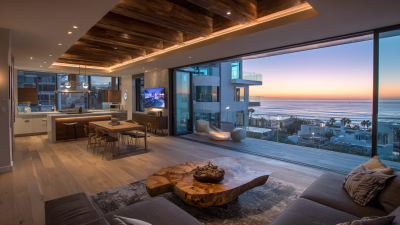
What is Outdoor Led Lighting Benefits Installation and Tips for Choosing the Best
In recent years, Outdoor LED Lighting has emerged as a pivotal solution for enhancing outdoor spaces while promoting energy efficiency and sustainability. According to a report by the U.S. Department of Energy, LED lighting is expected to account for 60% of the global lighting market by 2025, underscoring its growing popularity and advancements in technology. This transition to Outdoor LED Lighting not only reduces energy consumption by up to 75% compared to traditional lighting but also offers longer lifetimes, decreased maintenance costs, and improved light quality.
As urban areas continue to expand and the demand for efficient outdoor lighting solutions increases, understanding the benefits of Outdoor LED Lighting becomes essential for homeowners, municipalities, and businesses alike. Studies have shown that well-lit outdoor environments can enhance safety, reduce crime rates, and increase property value. Furthermore, by selecting the right Outdoor LED fixtures, users can create aesthetically pleasing landscapes that contribute positively to community well-being and environmental preservation. This comprehensive guide aims to provide essential tips for installation and guidance on choosing the best Outdoor LED Lighting solutions to maximize these benefits.

Understanding the Advantages of Outdoor LED Lighting for Commercial Use
When it comes to outdoor lighting for commercial use, LED technology offers a myriad of advantages that can significantly impact both operational costs and environmental sustainability. According to a report by the U.S. Department of Energy, LED lighting can be up to 80% more energy-efficient than traditional incandescent or fluorescent lighting. This efficiency not only reduces electricity consumption but also lowers utility bills, providing long-term savings for businesses. With longer lifespans—often exceeding 25,000 hours—LED fixtures also minimize maintenance costs due to less frequent replacements, making them an ideal investment for commercial enterprises.
Moreover, outdoor LED lighting contributes to enhanced safety and security. Research indicates that well-lit outdoor areas can reduce crime rates by as much as 20%, as proper illumination deters criminal activity and promotes a sense of safety among employees and customers. The ability to adjust brightness and color temperature in LED systems also allows businesses to create a welcoming atmosphere that can improve customer experience. As companies increasingly seek to adopt sustainable practices, the use of outdoor LED lighting is becoming a pivotal aspect of their operations, aligning economic benefits with environmental responsibility.
Key Installation Techniques for Optimal Outdoor LED Lighting Performance
When installing outdoor LED lighting, employing key techniques is essential for maximizing performance and longevity. One critical aspect is selecting the right location for your fixtures. Consider the areas that require illumination, such as pathways, driveways, and outdoor living spaces. Position lights to minimize shadows and enhance visibility while avoiding direct glare that can be distracting or uncomfortable. Additionally, use angles that focus on illuminating surfaces rather than merely the airspace, as this will contribute significantly to both aesthetic appeal and functionality.
Another vital installation technique involves ensuring proper weatherproofing. Since outdoor environments can expose fixtures to elements like rain, snow, and humidity, it's important to choose lights with high ingress protection ratings. Seal connections effectively and use appropriate mounting hardware that can withstand outdoor conditions. Lastly, consider integrating motion sensors or timers, which can not only enhance security but also optimize energy efficiency by ensuring the lights operate only when needed. These techniques will ensure that your outdoor LED lighting performs effectively and lasts longer while enhancing the overall safety and beauty of your outdoor spaces.
What is Outdoor LED Lighting Benefits Installation and Tips for Choosing the Best
| Dimension |
Details |
| Benefits of Outdoor LED Lighting |
Energy efficiency, long lifespan, low maintenance, enhanced visibility, eco-friendly. |
| Common Applications |
Pathway lighting, landscape lighting, security lighting, architectural highlighting. |
| Installation Techniques |
Proper mounting height, weatherproofing, ensuring even distribution, using timers/photocells. |
| Choosing the Right LED Fixtures |
Consider brightness, color temperature, beam angle, and compatibility with existing infrastructure. |
| Maintenance Tips |
Regular cleaning, checking connections, ensuring proper functionality, replacing worn parts. |
Energy Efficiency: Comparing LED Lighting to Traditional Outdoor Fixtures
When comparing outdoor LED lighting to traditional fixtures, energy efficiency stands out as a significant advantage. LED lights consume considerably less energy than incandescent or halogen bulbs, making them an environmentally friendly choice. For instance, a typical LED bulb uses around 75% less energy compared to its conventional counterparts. This reduction in energy consumption translates into lower utility bills for homeowners and businesses alike, effectively making LED lighting a cost-efficient solution over time.
Furthermore, the longer lifespan of LED lights enhances their appeal. While traditional bulbs may need to be replaced frequently—often lasting only a few thousand hours—LEDs can last for 25,000 hours or more. This longevity not only means fewer replacements and lower maintenance costs but also contributes to reduced waste in landfills. As outdoor lighting plays a crucial role in safety and security, selecting energy-efficient LED options offers both practical and ecological benefits, creating well-lit spaces while minimizing environmental impact.
Essential Tips for Selecting the Right Outdoor LED Lighting Solutions
When selecting the right outdoor LED lighting solutions, there are several essential tips to consider to ensure you make an informed decision. First, evaluate the purpose of the lighting. Are you looking to illuminate pathways, enhance security, or create a warm ambiance for entertainment spaces? Understanding the intended use will help you determine the type and brightness of the fixtures needed.
Another crucial aspect is the location and layout of your outdoor space. Consider the areas that require lighting and the natural elements that may affect installation, such as trees or buildings that could obstruct light. For instance, strategically placing lights to highlight architectural features or landscaping can enhance the aesthetic appeal while providing functional illumination.
Lastly, energy efficiency and durability are key factors. Opt for LED lights with a high lumen output to ensure effective lighting with lower energy consumption. Additionally, choose fixtures that are rated for outdoor use, ensuring they can withstand weather conditions, UV exposure, and temperature fluctuations. This careful selection process not only enhances your outdoor space but also contributes to long-term savings on energy bills.
Outdoor LED Lighting Benefits
Safety Standards and Regulations for Outdoor LED Lighting Installation
When it comes to installing outdoor LED lighting, adhering to safety standards and regulations is paramount. These standards ensure not only the longevity of the lighting systems but also the safety of individuals in the vicinity. It’s critical to comply with local electrical codes, which may include specific requirements for outdoor installations, such as wiring, fixture ratings, and grounding protocols. Additionally, energy efficiency standards can help in selecting appropriate fixtures that reduce environmental impact while providing adequate illumination.
One important tip for ensuring compliance with safety regulations is to consult local authorities or a licensed electrician before beginning the installation. This step can provide clarity on any permits required and help in understanding the specific codes that apply to your project. Moreover, using fixtures that are rated for outdoor use will guarantee that they can withstand various weather conditions, preventing electrical hazards or failures.
Another tip is to prioritize proper installation techniques. Ensure that all wiring is weatherproofed and that fixtures are securely mounted to resist wind or heavy rain. Utilizing motion sensors or timers can enhance both safety and efficiency, reducing the risk of accidents due to poor visibility while also conserving energy. By following these guidelines and adhering to safety regulations, you can create a well-lit, safe outdoor environment.