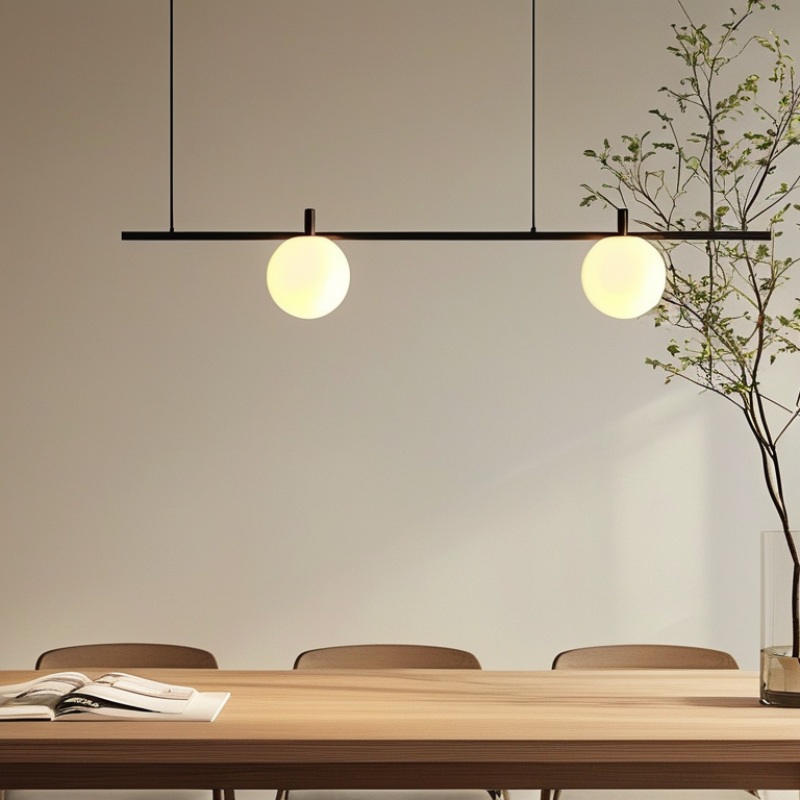
What is Simple Lighting and How Can It Enhance Your Space?
Simple lighting can transform a space in remarkable ways. It focuses on clarity and function, creating an inviting environment. By using basic light sources, you can enhance your home or office with ease.
Elegant simplicity is the key. Simple lighting emphasizes natural beauty without overcomplicating the design. Think about warm bulbs or minimalist fixtures that help a room breathe. The effect is often calming and rejuvenating, inviting you to unwind.
However, there's always room for improvement. Sometimes, the choices may feel limited or overwhelming. Reflect on your needs. Are the lights compatible with your style? Is the brightness sufficient for different tasks? Simple lighting requires thoughtful selection to truly shine.
Defining Simple Lighting: Principles and Characteristics
Simple lighting focuses on the fundamental principles of illumination. It prioritizes functionality without compromising aesthetics. Key characteristics include minimalism, balance, and versatility. These elements work together to create an inviting atmosphere in any space.
Minimalism is essential in simple lighting. Clean lines and understated fixtures allow the light to take center stage. Balance ensures that light is distributed evenly. This prevents harsh shadows and unwelcome glares. Versatile options, like dimmers, provide flexibility for different moods and activities.
Reflecting on your space can yield new insights. Sometimes, what you need is less clutter and more clarity. Simple lighting can enhance your environment by encouraging a sense of peace. Choosing the right lighting means experimenting with different intensities. Not every approach will work at first; trial and error is common. Embracing these imperfections can lead to a more personalized and functional design.
Simple Lighting and Its Impact on Interior Spaces
Types of Simple Lighting Solutions for Various Spaces
Simple lighting solutions can greatly elevate different spaces in your home or office. These solutions focus on providing both functionality and aesthetic appeal. According to a recent industry report from the American Society of Interior Designers, proper lighting can enhance mood and productivity by up to 40%. Bright, natural-like light helps individuals feel more awake and engaged.
In living areas, floor lamps and wall sconces create cozy corners. Dimmer switches can adjust brightness, allowing for mood changes. Kitchens benefit from under-cabinet lighting. This not only illuminates surfaces but also adds depth to the space. In contrast, bedrooms often require softer light sources. Bedside lamps with warm tones promote relaxation and restful sleep.
So, while simple lighting can improve a room’s atmosphere, its implementation demands careful thought. Measure the light's temperature and intensity to match your needs. Each room requires a unique approach. Do not overlook the maintenance of these fixtures; they must be cleaned and updated to maintain their effectiveness.
Benefits of Simple Lighting: Aesthetic and Functional Enhancements
Simple lighting can significantly enhance both the aesthetics and functionality of a space. According to the American Society of Interior Designers, proper lighting accounts for about 40% of the overall design satisfaction in residential spaces. When utilizing simple lighting, the focus shifts to creating a warm and inviting atmosphere, without overwhelming the senses. Soft, diffused lighting can transform a stark room into a cozy haven. Simple fixtures, like pendant lights or flush mounts, allow for flexibility and ease of integration with various decor styles.
Moreover, simple lighting has functional benefits that cannot be ignored. A study from the Lighting Research Center found that proper lighting can increase productivity by up to 20%. In environments like offices or study areas, minimalist lighting designs can provide just enough illumination to enhance focus while reducing glare. Additionally, using daylight-mimicking bulbs in simple lighting can help regulate circadian rhythms, improving sleep patterns and overall well-being. Yet, it's crucial to balance simplicity and efficiency. Overly simplistic designs can sometimes lead to inadequate brightness for task-oriented spaces. Reflecting on lighting choices can help achieve both style and substance.
What is Simple Lighting and How Can It Enhance Your Space?
| Aspect |
Description |
Benefits |
| Aesthetic Appeal |
Simple lighting can add elegance and charm to any space, emphasizing architectural features. |
Enhances mood and creates a welcoming ambiance. |
| Functionality |
It provides adequate illumination for daily tasks while being unobtrusive. |
Facilitates better productivity and comfort in living or working environments. |
| Energy Efficiency |
Simple lighting solutions can often utilize LED technologies, reducing energy consumption. |
Promotes sustainability and lowers electricity bills. |
| Versatility |
Simple lighting works well in various settings, from homes to offices to galleries. |
Easily adaptable to different interiors and moods. |
| Maintenance |
Often requires less maintenance due to modern lighting solutions and designs. |
Saves time and money for property owners. |
Implementing Simple Lighting: Tips for Effective Design
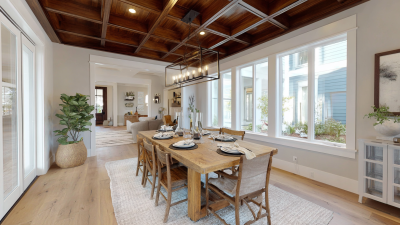
Simple lighting can drastically transform your living space. It emphasizes key features of a room and creates a cozy atmosphere. To achieve effective design, focus on layering light sources. Combine ambient, task, and accent lighting to enhance the overall feel. For example, use a pendant light over a dining table to provide focused illumination while softening the room's edges with wall sconces.
When implementing simple lighting, don't overlook the placement. Position lights to draw attention to artwork or architectural elements. Experiment with different heights and angles. Table lamps can cast warm shadows, while floor lamps offer flexibility. However, avoid overcrowding with too many fixtures. It might dilute the effect you're aiming for.
Consider the color temperature of bulbs. Warm white tones provide a relaxed vibe, whereas cool whites can energize a space. Be mindful of how different temperatures affect your room's mood. Too harsh lighting can make a space feel uninviting. Reflect on your choices and adjust based on how they make you feel. Simple lighting plays a vital role in creating the desired ambiance.
Common Mistakes to Avoid When Using Simple Lighting
Simple lighting can transform a space, but mistakes often diminish its impact. Many people overlook the importance of color temperature when selecting bulbs. A study published by the American Lighting Association shows that rooms lit with warm white light (around 2700K) create a cozy atmosphere, while cool white (above 4000K) can feel sterile. Choosing the wrong temperature can affect the mood and functionality of a room significantly.
Placement is another critical area where mistakes occur. Lighting should enhance specific features, like artwork or architectural details. When lights are too high or poorly angled, they may create unflattering shadows. Research indicates that unintentional shadowing can reduce perceived space size by 20%. This is why strategic placement is crucial for enhancing both aesthetics and functionality in any room.
Finally, people often underestimate the power of layers. Relying solely on overhead lighting can lead to flat and uninviting spaces. A survey from the International Association of Lighting Designers reveals that using a combination of ambient, task, and accent lighting can boost visual interest by over 50%. Embracing multiple layers not only enhances the beauty of a room but also improves its usability. Reflecting on these elements can guide better lighting choices.