Top Tips for Choosing Ceiling LED Lights for Your Home?
Choosing the right ceiling LED lights can transform a room's ambiance. According to lighting expert Sarah Johnson, "Good lighting is essential for creating a cozy atmosphere." This makes selecting ceiling LED lights a crucial decision for any homeowner.
Ceiling LED lights offer energy efficiency, longevity, and versatility. They come in various styles and brightness levels, catering to different tastes. However, picking the right fit can be challenging. Consider the room size, ceiling height, and purpose of the space. A well-lit kitchen requires different lighting than a serene bedroom.
Despite the benefits, many still struggle with the overwhelming options available. Reflecting on personal preferences is vital. Do you prefer warm or cool light? What design complements your decor? Thoughtful consideration will ensure your ceiling LED lights serve both aesthetic and functional needs.
Factors to Consider When Selecting Ceiling LED Lights for Home Use
Choosing ceiling LED lights for your home requires careful consideration of various factors. First, think about the space you are illuminating. Larger rooms may need brighter lights, while smaller areas can benefit from softer illumination. The height of your ceiling also plays a vital role. For lower ceilings, flush-mounted fixtures work best. In contrast, higher ceilings allow for pendant lights that can add elegance.
Consider the color temperature of the light. Warmer tones create a cozy atmosphere, making them great for living areas. Cooler tones, on the other hand, are more suitable for workspaces or kitchens. It’s crucial to balance aesthetics with functionality. Your choice should match your home’s decor and your personal style.
Take the time to evaluate the wattage and lumens. Higher wattage does not always mean better light quality. Understanding this will help you make informed choices. Reflect on your energy consumption goals too. Energy-efficient options not only reduce costs but also benefit the environment. Explore these aspects carefully to find the right solution for your home.
Top Tips for Choosing Ceiling LED Lights for Your Home
Understanding Different Types of Ceiling LED Lights and Their Applications
Choosing the right ceiling LED lights involves understanding different types and their applications. For instance, recessed lights are popular for modern spaces. They provide a clean look and save space. According to a 2022 report by the Lighting Research Center, recessed lights can reduce energy consumption by up to 70% compared to traditional incandescent fixtures. This makes them an eco-friendly choice for many households.
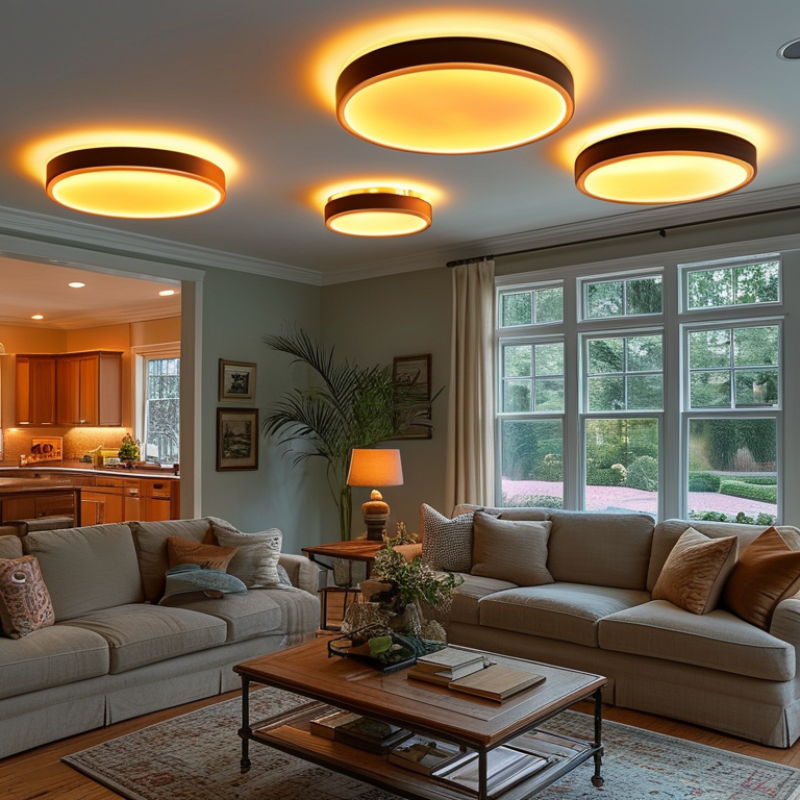
Surface-mounted lights serve another purpose. They are perfect for rooms with lower ceilings. These fixtures can provide bright illumination without making the space feel cramped. A survey from the U.S. Department of Energy highlighted that surface-mounted LED lights can last up to 25,000 hours. This longevity can significantly lower replacement costs over time. However, one must consider the room's design to ensure the lights complement the decor.
For larger spaces, pendant lights can create a focal point while providing ample light. They come in various styles, allowing for creativity in design. Yet, they may not be suitable for every room, especially if the ceiling height is inadequate. Finding balance in aesthetic appeal and functionality is essential. All lighting choices should fit personal preferences and the specific needs of each space.
Evaluating Brightness and Color Temperature for Optimal Home Lighting
Choosing the right brightness and color temperature is essential for your home lighting. Brightness is measured in lumens. Higher lumens mean a brighter room. Consider how you use each space. A cozy living room needs softer lighting. A kitchen requires brighter, more functional light. Think about the activities you will do there.
Color temperature, measured in Kelvin (K), affects the mood of a room. Warmer light (around 2700K) feels inviting and relaxing. It works well for bedrooms and living rooms. Cooler light (above 4000K) is energizing. It’s best for workspaces and kitchens. You might find it challenging to choose the right balance. Experimenting with different shades in your home could help.
Evaluating brightness and color temperature can be tricky. Sometimes, a light that looks great in the store may seem different at home. Testing lights in your actual rooms is essential. Use dimmers for added flexibility. This way, you can adjust brightness as needed. Personal preference plays a big role. Pay attention to how each light makes you feel in your space.
Energy Efficiency Ratings: How to Choose the Most Cost-Effective LED Lights
When selecting LED lights for your home, energy efficiency is crucial. Look for lights with high energy efficiency ratings, such as those labeled with Energy Star. According to the U.S. Department of Energy, Energy Star-rated LEDs use up to 90% less energy than traditional incandescent bulbs. This translates to significant savings on your electric bill.
Pay attention to lumens per watt ratios. An efficient LED should produce at least 80 lumens per watt. This indicates higher brightness for lower energy use. Research suggests that choosing LEDs with a higher lumens-to-watt ratio can lead to better long-term savings. However, not all LED products meet these standards. A poorly rated LED can lead to frustration and higher costs.
Consider the lifespan of the lights as well. Quality LED options can last up to 25,000 hours, greatly reducing the need for replacement. Investing in high-quality LEDs initially can pay off. Yet, the market is full of options, making it essential to research and compare. Not all LED lights are created equal, so informed choices are vital.
Installation Tips and Safety Considerations for Ceiling LED Lighting
When installing ceiling LED lights, safety should always be a priority. Begin by turning off the power at the circuit breaker. This simple step can prevent electric shocks during installation. Use insulated tools to further minimize risk. Always ensure you follow local electrical codes. Having a basic understanding of wiring helps, but consulting a professional is wise if you're uncertain.
Proper placement of the lights is crucial for optimal functionality. Measure the room dimensions and plan the layout carefully. Spacing lights evenly creates a balanced look. Consider using dimmer switches for flexibility in mood lighting. If you are unable to reach the ceiling safely, using a sturdy step ladder or scaffold is essential. Avoid overreaching, as it can lead to accidents or uneven installations.
Lastly, ensure that you use the correct wattage and fixtures designed for LED lights. Overheating can occur with incorrect types, leading to potential fire hazards. Regularly check the fixtures for wear and tear. They should be well-maintained to ensure safety and efficiency. Staying informed about best practices improves your home's lighting experience.