Top 10 China Pendant Lamps Suppliers for Global Buyers
Choosing a pendant lamp supplier involves more than comparing catalog photos. Global buyers must assess finish consistency, electrical specifications, packaging, lead times, and communication. A polished brass shade can look warm online, yet arrive with uneven color. Small details matter.
Lighting procurement specialist Lin Chen offers a practical reminder: “A dependable supplier proves quality in the sample, then repeats it across the order.” This guide compares ten China Pendant Lamps Supplier options through buyer-focused criteria, including product range, customization, manufacturing capability, quality checks, and export support. These factors help importers ask clearer questions before requesting quotations or approving samples.
The comparison is a starting point, not a guarantee. Supplier capabilities change, and a strong website cannot replace a documented specification or sample inspection. Check dimensions, materials, canopy details, cable length, and packing protection. Ask how production issues are handled. Get the answers in writing.
Look closely. A low price may conceal thin metal, fragile finishes, or inconsistent assembly. Conversely, a smaller supplier may offer attentive sampling and practical design adjustments. The right fit depends on your market, order volume, timeline, and expectations for after-sales support. Use the profiles below to narrow the field, then verify current details directly with each supplier. That extra step is not glamorous, but it can prevent costly surprises.
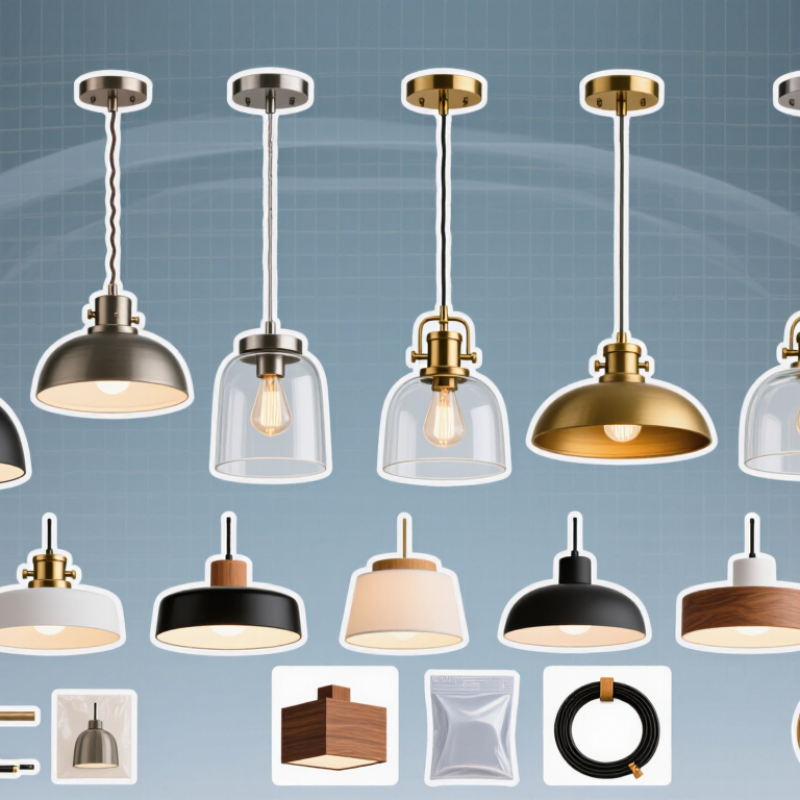
China’s Pendant Lamp Industry and Its Role in Global Lighting Supply
China’s pendant-lamp industry links material processing, component sourcing, and assembly within a broad manufacturing network. Workshops may shape steel shades, polish aluminum, or assemble glass and ceramic parts. Details matter. A canopy’s finish, cord length, and socket type can change how a fixture works in a real room.
This manufacturing base supports global buyers seeking varied designs and production volumes. Suppliers can often adjust shade dimensions, finishes, packaging, and wiring specifications for different projects. Some also coordinate multiple production steps, which can simplify purchasing. But availability and lead times vary by design. A handmade glass shade may not follow the same schedule as a pressed metal one.
Reliable sourcing takes more than comparing catalog photos. Buyers should request drawings, material details, sample units, and clear information about electrical components. Check how finishes look under warm and cool light. Ask how fragile parts are packed for shipment. A sample can reveal uneven edges or color differences that a specification sheet misses. Communication can still be imperfect, especially when design changes arrive late. Confirming revisions in writing helps, though it cannot prevent every delay.
How to Evaluate Pendant Lamp Suppliers for International Projects
For international projects, evaluate pendant lamp suppliers against the actual room, not just catalog images. Share ceiling heights, installation details, and target light levels, then ask for drawings and photometric data. Check whether the proposed beam angle and lumen output suit the space. A bright sample can look different once installed at six meters.
Request material samples and inspect finishes under warm and cool lighting. Ask how the supplier checks wiring, assembly, and surface quality before shipment. Verify that product documents and test reports match the exact model and destination requirements. Compare lead times, minimum order quantities, and packaging details in writing. Small details matter.
Production capacity is only useful if changes are controlled. Ask how the supplier handles design revisions, replacement parts, and delays. A sample approval process should record dimensions, finish, and key components, not just appearance. Request references for projects with similar quantities or installation conditions, where available. No checklist catches everything. A polished presentation can still leave practical questions unanswered, so keep a written record of decisions and open issues. I would also allow time for another sample round; it can feel slow, but catching a mismatch before production is usually easier.
Top 10 China Pendant Lamps Suppliers for Global Buyers: How to Evaluate Suppliers for International Projects
Suggested evaluation weights for comparing pendant lamp suppliers. Assess each supplier against the same criteria and adjust the weights to match your project’s requirements.
The percentages are a practical scoring framework, not survey results or ratings of individual companies. Verify certifications, samples, production capacity, lead times, and export documentation directly with each supplier.
Profiles of 10 China-Based Pendant Lamp Suppliers
These ten profiles are illustrative supplier types, not audited company endorsements. A glass-focused maker may offer clear, smoked, or ribbed shades; request samples to check bubbles and color consistency. A metalwork supplier can produce brass-tone or powder-coated frames, with welds and finish thickness worth inspecting. A ceramic specialist may suit textured, hand-glazed designs, though shade variation is part of the process.
A rattan and woven-shade workshop can create warm, natural textures; ask how it controls dimensions across batches.
A wood-focused supplier may combine turned components with metal fittings, so confirm the wood species and surface treatment.
An LED-integrated maker can supply pendant bodies with matched light modules; check color temperature, dimming compatibility, and replaceable parts.
Details matter.
A project-oriented factory may handle hotel or restaurant orders, but clarify drawing approval and sample sign-off before production.
An OEM assembly supplier can coordinate several components under one order, making quality checks especially important.
A small-batch workshop may be suitable for custom shapes, although unit costs can rise quickly.
An export-focused supplier may provide protective cartons and shipment documents; inspect a packed sample rather than relying on promises.
For every profile, compare written specifications, production schedules, defect policies, and inspection records. A polished showroom is useful, but it cannot replace a verified sample and clear communication.
Comparing Product Range, Customization, Quality, and Export Capabilities
When comparing China pendant lamp suppliers, look beyond catalog size. A broad range may include metal, glass, wood, and woven shades, but check whether common finishes and socket options are actually available. Ask for a current product sheet, dimensions, and clear photos of canopy details. Small differences matter. A lamp that looks suitable online may hang too low over a dining table.
Customization should be defined in writing. Confirm changes to shade size, cable length, finish, packaging, and logo placement before approving a sample. For quality checks, inspect welds, glass edges, wiring connections, and how the lamp sits when suspended. Request material specifications and a documented inspection process. Export capability also matters: verify carton protection, labeling, lead times, and the supplier’s experience preparing shipping documents. No scorecard is perfect; sample review can still miss flaws in a larger production run.
Tips: Compare one sample from each finalist under the same lighting. Photograph it beside a tape measure, test the finish with a soft cloth, and record unanswered questions. A clear answer is useful. A vague promise deserves another check.
Key Steps for Sourcing Pendant Lamps from China
Top 10 China Pendant Lamps Suppliers for Global Buyers
Key Steps for Sourcing Pendant Lamps from China
For global buyers, sourcing pendant lamps starts with a precise brief. List dimensions, shade material, finish, socket type, cable length, and target quantity. Add reference photos and note whether the lamp is for a kitchen island, hotel lobby, or retail space. Details matter. Ask suppliers to confirm which components they make in-house and which they purchase. Request a dated quotation that separates tooling, sample, unit, packing, and freight costs. Compare like with like, not just the lowest unit price. Before ordering, review a physical sample under the lighting conditions where it will be used. Check finish consistency, canopy fit, hanging hardware, and the clarity of wiring instructions.
For production, agree on approved drawings, tolerances, carton dimensions, lead time, and inspection points in writing. Ask how the supplier checks electrical parts and protects glass or metal shades during shipping. Have product requirements reviewed against the destination market’s applicable standards by qualified professionals. A factory tour, video call, or independent inspection can help verify capacity, though none guarantees a smooth order. Keep dated records of sample approval and any changes. It is easy to trust a neat spreadsheet too much. One missed cable length can delay installation. Allow time for a final pre-shipment check; schedules sometimes slip, and buyers should plan for that honestly.