2026 Best Types of Ceiling LED Lights?

Choosing the best Ceiling Led Lights in 2026 requires more than comparing brightness and prices. Each room demands a different balance of comfort, appearance, efficiency, and control. A recessed downlight can create a clean kitchen ceiling, while a flush-mount fixture may suit a low bedroom ceiling better. Pendants add visual focus above dining tables. Track lights provide useful flexibility for artwork, shelves, or changing room layouts.

The details matter.

Look for accurate color rendering, suitable color temperature, low glare, reliable dimming, and sensible lumen output. In a study, neutral white light can support concentration without making the room feel harsh. In a bedroom, warm light near 2700K often feels calmer. Smart fixtures may offer scheduling and scene control, but complicated apps can become frustrating. Simpler is sometimes better.

Lighting researcher Dr. Mariana Figueiro describes light as “the most powerful synchronizer of the human circadian system.” Her observation reminds homeowners to consider timing, not brightness alone. Evening light should feel gentle, especially near sleeping areas. Installation also deserves attention. Check ceiling height, wiring conditions, insulation compatibility, and local electrical requirements before buying.

There is no universal winner.

This guide compares the leading types of Ceiling Led Lights for 2026, including recessed, surface-mounted, panel, pendant, track, and smart models. It considers real room use, not showroom appearance alone. Some recommendations may change after installation. A beautiful fixture can still disappoint if it causes glare, shadows, buzzing, or difficult maintenance. The best choice is practical, comfortable, and dependable every day.
2026 Best Types of Ceiling LED Lights?

What Defines the Best Ceiling LED Lights in 2026

The best ceiling LED lights in 2026 are defined by useful performance, not impressive specifications alone. A dependable fixture should provide even brightness across the room, without harsh pools of light or dark corners. Its color rendering should keep skin, wood, and food looking natural. A CRI of 90 or higher is a practical target for living spaces.

Flicker control also matters, especially for home offices, kitchens, and reading areas. A light may appear steady, yet still cause eye discomfort through rapid invisible fluctuations. Look for verified flicker performance and smooth dimming at low brightness. Adjustable color temperature can add comfort, from warm evening light to cooler task lighting. However, too many settings may confuse daily use. Simple controls often work better.

Heat management affects reliability. Efficient LEDs should remain reasonably cool, with strong ventilation around the fixture. Check the rated lifespan, dimmer compatibility, and independent safety testing before installation. Moisture resistance is important in bathrooms and covered outdoor areas, but the rating must match the location. I once focused too heavily on brightness and ignored glare. That was a mistake. The brightest ceiling light is not always the most comfortable. Measure the room, consider ceiling height, and choose light distribution carefully. No fixture performs perfectly in every space.

Main Types of Ceiling LED Lights and Their Ideal Uses

Main Types of Ceiling LED Lights and Their Ideal Uses

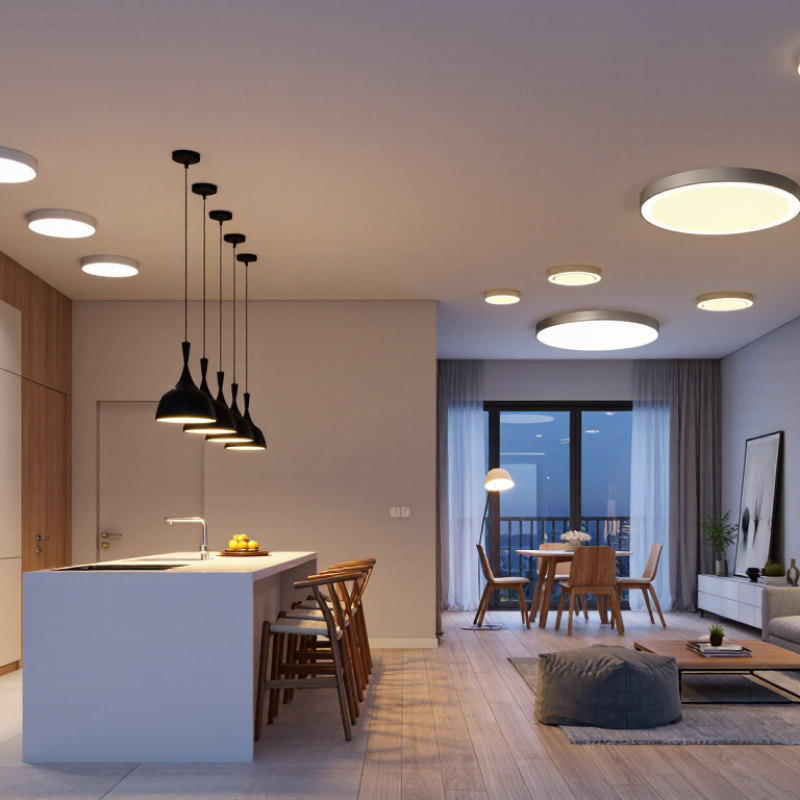
Recessed LED lights suit kitchens, hallways, and study areas with low ceilings. Their trim sits nearly flat, creating a clean, quiet ceiling line. Use several small fixtures instead of one powerful lamp. This reduces harsh shadows over worktops. Choose a color temperature around 3000K for comfortable residential spaces. Cooler light can make a kitchen feel alert, but sometimes too clinical.

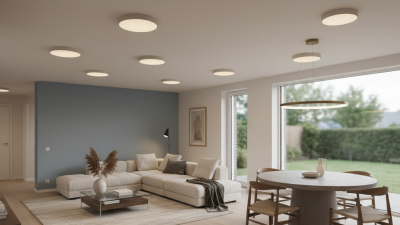
Flush-mount LED lights work well in bedrooms, corridors, and rooms with limited height. They spread light broadly from a compact fixture. Look for diffused covers to reduce glare when viewed from a bed or sofa. Semi-flush fixtures add more visual depth and fit dining rooms or entryways. They need enough ceiling clearance. Otherwise, the design may feel cramped.

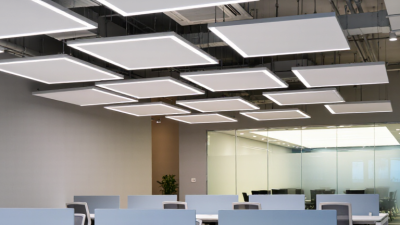
LED panel lights provide even illumination in offices, classrooms, and utility rooms. They are practical where clear visibility matters more than decoration. Pendant-style LED ceiling lights suit dining tables, kitchen islands, and reading corners. Their height should leave comfortable head clearance, usually about 75 centimeters above a table. Track-style ceiling lights offer adjustable beams for galleries, retail spaces, or flexible home layouts. Check color rendering before buying. High CRI light reveals food, fabrics, and wall colors more accurately. Dimming compatibility also matters, and not every LED fixture dims smoothly. I have seen attractive installations feel uncomfortable because glare was ignored. Light planning is rarely perfect on the first attempt. Rechecking shadows after installation can reveal what the original plan missed.

2026 Best Types of Ceiling LED Lights? - Main Types of Ceiling LED Lights and Their Ideal Uses

Ceiling LED Light Type Typical Installation Ideal Uses Typical Color Temperature Typical Brightness Range Main Advantages Important Considerations
Flush-Mount Ceiling Light Mounted directly against the ceiling Bedrooms, hallways, closets, low ceilings, and general residential lighting 2700–4000 K 800–3,000 lumens Space-saving profile, broad light distribution, simple installation May provide less decorative impact; check ceiling junction-box compatibility
Semi-Flush-Mount Light Mounted with a short stem or gap below the ceiling Dining areas, foyers, bedrooms, and living rooms with moderate ceiling height 2700–3500 K 1,000–3,500 lumens Adds visual style while remaining more compact than a pendant Requires more vertical clearance than a flush-mount fixture
Recessed Downlight Installed inside a ceiling cutout with the trim nearly flush to the surface Kitchens, bathrooms, corridors, offices, and layered lighting plans 2700–4000 K 600–2,000 lumens per light Clean appearance, targeted beam control, and efficient use of ceiling space Requires accurate cutouts and sufficient ceiling depth; insulation-contact rating may be necessary
LED Panel Light Set into a suspended ceiling grid or surface-mounted with a frame Offices, classrooms, clinics, retail areas, and utility rooms 3500–5000 K 3,000–6,000 lumens Uniform, low-glare illumination across large work areas Commercial appearance; glare control and color rendering are important for screen-based work
LED Troffer Replaces or fits into standard recessed fluorescent troffer openings Commercial offices, schools, hospitals, warehouses, and institutional buildings 3500–5000 K 3,000–8,000 lumens Suitable for large-area lighting and retrofit projects Must match the existing ceiling-grid size, wiring, and control system
LED Track Light Multiple adjustable fixtures mounted on an electrified ceiling track Galleries, kitchens, retail displays, studios, and accent-lighting applications 2700–4000 K 500–1,500 lumens per head Flexible aiming and easy repositioning for task or accent lighting Less suitable for uniform whole-room lighting unless multiple heads are used
LED Pendant Light Suspended from the ceiling by a cord, rod, or cable Kitchen islands, dining tables, reception areas, and decorative focal points 2700–3500 K 800–3,000 lumens per fixture Provides focused task lighting and strong decorative character Needs adequate headroom; hanging height should avoid glare and physical obstruction
LED Strip or Cove Light Installed in coves, channels, valances, cabinets, or perimeter ceiling details Ambient lighting, architectural accents, hospitality spaces, and indirect illumination 2700–4000 K 300–1,500 lumens per meter Slim, highly flexible, and effective for concealed or continuous lighting Usually needs an aluminum profile, suitable driver, heat management, and concealed wiring
LED High-Bay Light Suspended or surface-mounted on high ceilings, generally above 6 m Warehouses, factories, distribution centers, sports facilities, and hangars 4000–5000 K 10,000–40,000 lumens High output, long service life, and effective illumination for tall spaces Optical distribution, mounting height, heat dissipation, and maintenance access must be planned carefully
LED Vapor-Tight Fixture Surface-mounted or suspended inside a sealed, moisture-resistant housing Parking areas, workshops, garages, food-processing spaces, and damp utility rooms 3500–5000 K 4,000–12,000 lumens Protects the LED system from moisture, dust, and certain harsh environments Verify the fixture’s IP rating and suitability for chemicals, temperature, and wash-down conditions
Selection note: Choose the fixture according to ceiling height, required light distribution, room function, moisture exposure, dimming compatibility, color rendering, and total lumen output. Lumens describe light output, while watts describe electrical power consumption.

How to Compare Brightness, Color, Efficiency, and Lifespan

2026 Best Types of Ceiling LED Lights?

Comparing ceiling LED lights starts with useful brightness, not wattage. Lumens measure light output, while watts measure electricity use. A 1,600-lumen fixture may suit a small bedroom, but kitchens often need layered lighting and higher output. The U.S. Department of Energy reports that modern LED systems can exceed 150 lumens per watt in practical products. Laboratory figures can look better than installed results. Diffusers, ceiling height, and dust reduce perceived brightness.

Color temperature changes the room’s character. Around 2700–3000K feels warm and comfortable for bedrooms. Around 3500–4000K gives kitchens and workspaces a cleaner appearance.

The Illuminating Engineering Society recommends checking color rendering, especially where accurate colors matter. A CRI of 90 or higher is useful for kitchens, wardrobes, and art areas. Yet CRI alone is imperfect; it does not describe every color equally well.

Efficiency also depends on controls and heat management. ENERGY STAR states that certified LED lighting uses at least 75% less energy and can last up to 25 times longer than incandescent lighting.

Look for a rated life near 25,000–50,000 hours, but read the L70 rating carefully. It indicates when output may fall to 70 percent. I would not treat 50,000 hours as a promise. Poor ventilation can shorten it.

Frosted covers hide glare, but they may also lower brightness. Check the fixture’s delivered lumens, CCT, CRI, warranty terms, and replacement practicality before choosing.

Smart Features, Installation Options, and Design Considerations

2026 Best Types of Ceiling LED Lights?

Smart ceiling LEDs now offer dimming, scheduling, occupancy sensing, and adjustable color temperature. These features can reduce wasted energy in hallways and bathrooms. However, wireless control depends on stable network coverage and compatible switches. A manual wall switch remains useful when the app fails. It happens.

During installation, recessed lights create a clean appearance but require enough ceiling depth and careful spacing. Surface-mounted panels suit shallow ceilings and simplify replacement work. For heavier fixtures, installers should inspect the junction box and ceiling structure first. Power must be isolated before any wiring begins. Local electrical rules also matter, especially in damp rooms. A qualified electrician can verify grounding, load limits, and fire-rated requirements.

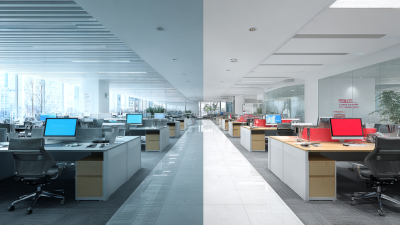
Design choices affect comfort more than many buyers expect. Choose warm white light for bedrooms and living rooms. Use neutral white light for kitchens, offices, and utility areas. A high color-rendering rating helps food, wood, and skin tones look more natural. Deep baffles can reduce glare, while diffused covers soften harsh shadows. Measure the room before ordering. A large fixture may dominate a low ceiling, while a small fixture can leave dark corners. I once selected lights by appearance alone, and the room still felt uneven. The lesson was inconvenient but useful: brightness, beam spread, ceiling height, and furniture placement must be considered together.

2026 Best Types of Ceiling LED Lights

Typical luminous efficacy ranges help compare common ceiling-light formats. Higher lumens per watt generally means better energy efficiency, while smart dimming, tunable white, motion sensing, and app or voice control can improve convenience and lighting quality.

Typical range: lumens produced per watt for residential and light-commercial LED products. Actual performance varies by optics, color temperature, diffuser, dimming level, and installation conditions.

Choosing the Right Ceiling LED Light for Each Room

Choosing a ceiling LED light starts with the room, not the fixture’s appearance. A ceiling light should match the room’s size, function, ceiling height, and natural daylight. After measuring the space, check the light’s brightness, beam spread, color temperature, and dimming compatibility. Small details matter.

For living rooms, use a dimmable flush mount or several recessed lights for flexible comfort. Warm white light, around 2700K to 3000K, makes sofas and wood surfaces feel inviting. Dimmers help during movie nights. In kitchens, choose brighter, neutral light around 3500K to 4000K. Even illumination reduces shadows over worktops. A high color rendering rating also helps food colors look more accurate. Avoid placing one powerful light directly above your head; it can create harsh shadows.

Bathrooms need moisture protection suitable for the installation zone, confirmed by local electrical guidance. A qualified electrician should verify wiring and fixture placement. Bedrooms usually benefit from soft, warm light and low glare. I once selected a bright center fixture for a small bedroom, and the room felt strangely clinical. That mistake still influences my choices. Hallways need modest, evenly distributed lighting rather than excessive brightness. Check the ceiling structure before choosing recessed models. Some surfaces hide pipes or wiring, making installation more complicated. The most reliable choice is practical, but personal comfort still deserves attention.