10 Best Sconce Lights for Every Room in 2026
Wall lighting can change how a room feels without taking up a single inch of floor space. A pair of sconces beside a bed can soften the evening light; one near a hallway mirror can make a narrow passage feel more welcoming. Small change. Big effect. Still, the wrong shade or mounting height can create glare exactly where you need comfort.
Energy use matters, too. The U.S. Department of Energy’s Energy Saver guidance reports that LEDs use at least 75% less energy and can last up to 25 times longer than incandescent lighting. That figure describes the bulb technology, not every sconce fixture, so check whether a model accepts compatible LED bulbs or includes an integrated LED. A dimmer can also help tailor brightness, provided it matches the fixture and bulb.
This guide to 10 Best Sconce Lights for Every Room in 2026 looks at practical details alongside appearance: light direction, materials, finish, installation needs, and where each design may work best. Sconces Lights can add useful task lighting by a reading chair, gentle ambient light in a dining area, or a clear glow beside a bathroom mirror. But no fixture suits every room. A polished brass shade may look warm online and feel too bright against a small, pale wall. Consider the room’s existing light, measure before buying, and treat product specifications as more reliable than staged photos. A good sconce should look right—and work well after sunset.
What Sconce Lights Are and How They Brighten a Room
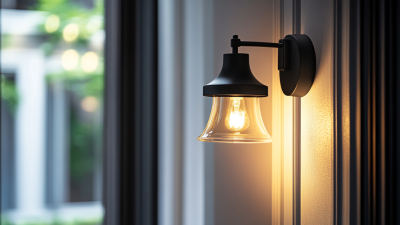
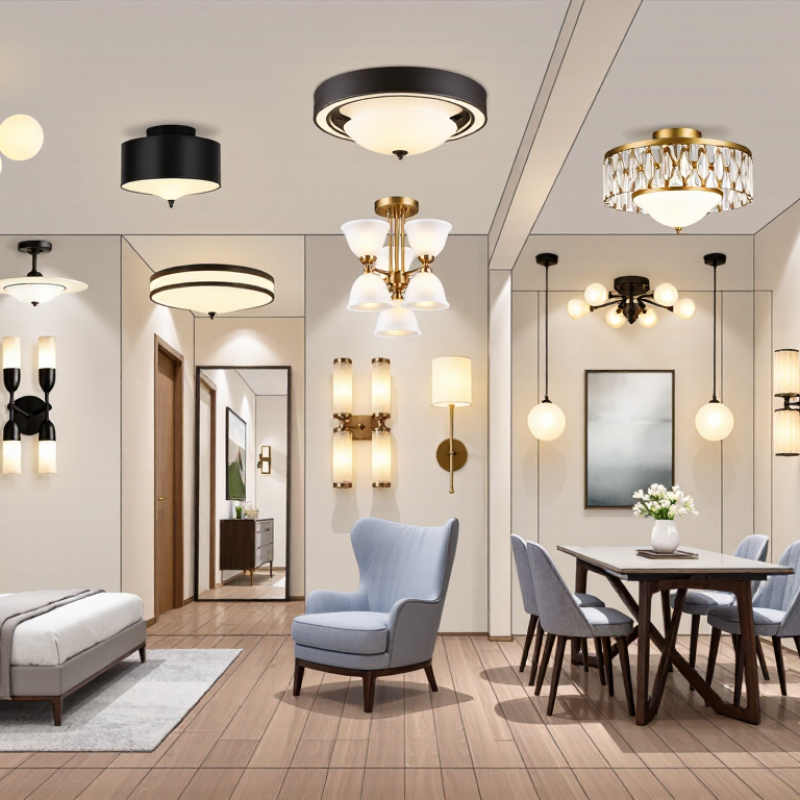
A sconce is a light fixture mounted directly to a wall. It can hold a bulb behind a shade, direct light upward, or cast it toward a reading chair. Unlike a ceiling fixture, a sconce keeps the floor and tabletops clear. That matters in narrow hallways and beside small beds. Some designs provide focused task light; others soften a room with a gentle glow across the wall.
Placement changes the effect. A pair beside a mirror can reduce harsh shadows, while an upward-facing sconce can make a low ceiling feel less heavy. In a bedroom, an adjustable arm lets you aim light at a book instead of your partner’s pillow. Useful detail. Check the fixture’s light direction and shade material, since opaque shades can create darker patches nearby. For damp locations, choose a fixture rated for the conditions and follow its installation instructions. A dimmer can help shift a room from bright morning routines to quieter evenings, if the fixture supports one.
Sconces are not magic. A single fixture may leave corners dim, especially in a large room. I’d treat them as part of a lighting plan, alongside ambient or task lighting, rather than expecting one wall light to do everything. The best height depends on the room, the fixture, and who uses it; mock up the position before drilling. A paper outline on the wall can reveal an awkward glare angle surprisingly well.
Sconce Lighting: Typical Illuminance Targets by Room
Approximate room-planning targets in lux; actual needs vary with room size, finishes, and activities.
How to read this: Lux measures light falling on a surface, not a sconce’s lumen output. Wall sconces can provide useful ambient or task lighting, but one fixture may not light an entire room evenly; placement, beam direction, and other light sources matter.
How to Compare Sconce Types, Styles, and Light Sources
Sconce choice depends on what the light needs to do. Upward-facing fixtures soften a ceiling, while downward-facing shades brighten a reading chair or hallway floor. Swing-arm designs make bedside reading easier, but their reach and wall clearance matter. Measure before buying. A fixture that looks compact online can feel bulky beside a narrow bed.
Style should support the room, not compete with it. A simple metal shade suits many interiors, while glass can spread light more widely. Match the finish to nearby hardware if you want a calm look; contrast can work, too. The matching set may feel a little too coordinated. Check the fixture’s scale against the wall, especially in small rooms.
Light source changes both comfort and upkeep. Replaceable bulbs offer flexibility, while integrated LEDs can keep a fixture slim. Compare brightness, color temperature, dimming compatibility, and color rendering. Warm light often feels gentler in bedrooms; brighter, cooler light can help at a desk. Read the product specifications carefully. For bathrooms or covered outdoor areas, verify the damp or wet-location rating and follow local installation guidance.
The 10 Best Sconce Lights for Every Room in 2026
The 10 best sconce lights for every room in 2026 should solve different lighting problems, not simply match finishes. Consider an adjustable swing-arm sconce beside a bed, a plug-in fixture for renters, and a shielded up-and-down light for a narrow hallway. A damp-rated sconce suits a bathroom, while a picture light focuses attention on artwork.
Soft, not stark.
For living rooms, a diffused globe can soften evening light; a candle-style fixture adds a gentler glow to dining areas. A slim corridor sconce saves visual space, and a sculptural option can bring character to a quiet corner. For focused reading, choose an adjustable head and position it to avoid glare on the page.
Measure twice.
Wall height and nearby furniture can change how a fixture feels once installed.
LED efficiency matters, too. The U.S. Department of Energy’s Energy Saver guidance says LEDs use at least 75% less energy and last up to 25 times longer than incandescent lighting. That is useful context, not a promise that every LED sconce performs equally. Check brightness, color temperature, and whether the light source can be replaced. I still find scale hard to judge from photos alone; a beautiful fixture can cast an awkward shadow when mounted too high.
How to Install and Maintain Wall Sconces Safely
A wall sconce should feel solid, sit flush against the wall, and cast light without exposing wiring. Before installation, switch off the correct circuit breaker and confirm the wires are de-energized with a voltage tester. Follow the fixture instructions, secure the mounting bracket to a suitable electrical box, and match wire connections carefully. If the box is loose, damaged, or unfamiliar, pause and contact a qualified electrician.
NFPA’s Home Structure Fires report estimated that electrical distribution and lighting equipment were involved in about 31,400 U.S. home structure fires each year from 2015 to 2019. That figure covers many types of equipment, not sconces alone, but it supports taking small wiring concerns seriously.
Maintenance is simple, but easy to put off. Turn off power before cleaning, then wipe the shade and base with a dry or lightly damp cloth. Check occasionally for loosened screws, flickering, unusual warmth, buzzing, or a burning smell. These signs deserve attention, not guesswork. Use only bulbs within the fixture’s stated wattage and type; excess heat can damage sockets and nearby materials. A sconce that shifts slightly may seem harmless, yet repeated movement can strain its connections.
Tips: Keep the installation instructions and bulb specifications nearby. Replace cracked shades promptly. Never pull a fixture away from the wall to inspect wires; have a professional check it instead.