
How to Choose the Best LED Spotlights?
Choosing the best Led Spotlights is not just a matter of brightness. The right choice depends on the room, the task, and the atmosphere you want to create. A narrow beam can highlight artwork or a kitchen counter, while a wider beam may suit general lighting. Small details matter.
Lighting designer Richard Kelly is widely associated with the observation, “Light is the magic ingredient that makes or breaks a space.” His words point to an important truth: a spotlight is not simply a fitting. It shapes how people see color, texture, and depth. This guide will help you compare practical features, including brightness in lumens, beam angle, color temperature, and color-rendering performance. It will also explain why dimming compatibility, fixture size, heat management, and suitable damp-location ratings deserve attention.
Start with the space, not the product label. Picture a beam landing on a framed print, or check whether a countertop stays evenly lit without harsh glare. Then compare the manufacturer’s specifications and warranty, and confirm that the spotlight works with your existing dimmer or housing. A high lumen figure alone does not guarantee comfortable light. Nor does a premium price guarantee a good fit. There is no perfect spotlight for every room, and product descriptions can leave out useful context. The recommendations ahead offer a clear way to assess trade-offs, ask better questions, and choose Led Spotlights with greater confidence.
Define the Purpose and Location for Your LED Spotlights
How to Choose the Best LED Spotlights?
Define the Purpose and Location for Your LED Spotlights
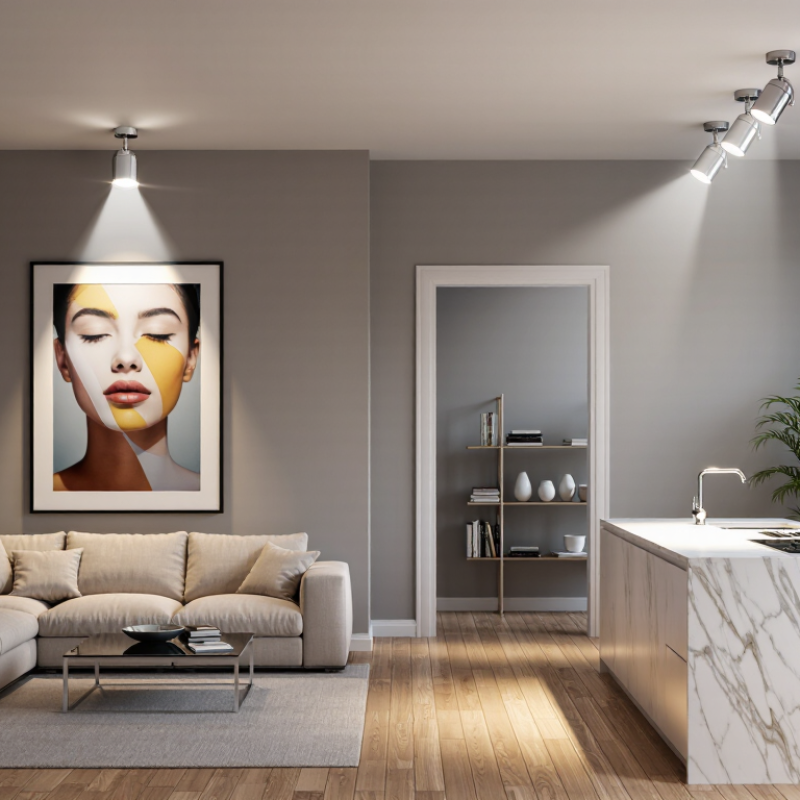
Start by deciding what each spotlight needs to do. A kitchen worktop needs clear, focused light, while a hallway may benefit from softer illumination. For artwork, aim the beam at the feature rather than directly into people’s eyes. The right choice depends on the task, room size, ceiling height, and existing light.
Location matters just as much. A spotlight above a shower or outdoors may need a suitable moisture-resistance rating; check the product specifications for the exact conditions. In a low ceiling, a wide beam can reduce harsh pools of light. A narrow beam can highlight a small object, but may leave nearby surfaces dark. This is easy to misjudge, so consider how the light will look at night, not only in a bright showroom. Also check whether the fitting can be angled and whether its color temperature suits the room.
Tips: Sketch the room and mark the areas you want to light. Stand in likely viewing spots to check for glare. If possible, test one adjustable spotlight before planning several. For damp areas or complex wiring, get advice from a qualified professional.
Compare Brightness, Wattage, and Energy Efficiency
When comparing LED spotlights, start with lumens, not watts. Lumens describe visible light; watts measure electricity use. A narrow beam can look brighter on a countertop than a wide beam with the same lumen rating. Check the beam angle and aim the lamp at the actual task area. For a simple efficiency check, divide lumens by watts: a 600-lumen, 6-watt spotlight produces 100 lumens per watt, while a 600-lumen, 8-watt model produces 75. Same light output, different energy demand. Small numbers matter.
The U.S. Department of Energy’s Energy Saver guidance reports that LEDs use at least 75% less energy than incandescent lighting and can last up to 25 times longer. That is a useful benchmark, not a promise that every spotlight will deliver identical savings. Read the product’s rated lumens and watts together, then compare fixtures with similar beam angles and color temperatures. I would also check whether the stated output applies to the whole lamp or only its LED chip; packaging can make this unclear. A quick calculation helps, but it cannot tell you whether the beam will feel harsh above a desk or leave the hallway dim. A little uncertainty remains.
Choose the Right Beam Angle and Color Temperature
A spotlight’s beam angle determines how tightly its light falls. A narrow beam, around 15 to 25 degrees, can highlight a framed print or a small display. Wider beams spread light across a counter or seating area. On a 2.5-meter ceiling, a very narrow beam may create a bright circle with dark edges. That matters. Check the beam spread on the floor or wall before choosing several fixtures; room height and spacing change the result.
Color temperature affects how the space feels and how surfaces appear. Warm white, roughly 2700K to 3000K, often suits bedrooms and living rooms. Neutral white, around 3500K to 4000K, can make kitchen worktops look clearer without feeling stark. Cooler light may help reveal detail in a utility area, but it can make wood and skin tones look less inviting. Numbers are useful, not magic.
Match the beam to the task, then check the color temperature against nearby lamps and daylight. A 36-degree beam may work for a dining table, while a broader option can reduce hard pools of light on a wall. If possible, test one spotlight after dark and view it from normal standing height. Even then, paint color and glossy surfaces can surprise you; the first choice may need adjustment.
Check Dimming, Compatibility, and Environmental Ratings
When choosing LED spotlights, test dimming at the wall control, not just on paper. Some LEDs flicker, buzz, or fail to reach a low setting with incompatible dimmers. Check the spotlight’s compatibility list and the dimmer’s minimum load. NEMA SSL 7A provides a framework for evaluating phase-cut dimming compatibility. A spec sheet can still mislead. The U.S. Department of Energy reports that LEDs use at least 75% less energy and can last up to 25 times longer than incandescent lighting; poor dimming performance can undermine that practical value.
Match the spotlight’s environmental rating to its actual location. Under IEC 60529, an IP code describes protection against solid objects and water. A covered porch differs from an exposed garden path, where wind-driven rain may reach the fitting. Check the manufacturer’s installation instructions, including any limits on insulation contact or enclosed fixtures. I have seen “outdoor” used loosely; the precise IP rating matters more.
Tips: Before buying, test one spotlight with your existing dimmer. Note flicker at low brightness, then confirm the stated IP rating suits the installation point. Keep the product label and instructions for later checks.
How to Choose the Best LED Spotlights: Dimming, Compatibility & Environmental Ratings
How to read the chart: IP ratings use two digits: the first describes protection against solid objects and dust, while the second describes protection against water. These digits are protection classes, not a linear measure of performance. For example, IP65 is dust-tight and protected against water jets; IP67 is dust-tight and protected against temporary immersion under specified test conditions.
Choose an environmental rating suited to the installation location. For dimming, check that the spotlight’s LED driver supports your dimmer type and verify its minimum load requirements before installation.
Assess Installation Needs, Lifespan, and Overall Value
Before comparing LED spotlights, check where they will go. A low ceiling may need a shallow fitting, while a track system offers more flexibility for aiming light. In bathrooms or covered outdoor areas, confirm the fixture’s suitability for moisture and dust. Check the beam angle against the task: a narrow beam can highlight a shelf, but may leave nearby surfaces dim. Check first. Also verify dimmer compatibility and available wiring before buying; a fitting that looks right can still create costly installation changes.
Lifespan figures are useful, but they are estimates, not promises. Look for rated hours and lumen maintenance information, which indicates how much brightness the light is expected to retain over time. Heat can shorten LED life, so suitable ventilation matters, especially in enclosed ceilings. A longer rated life may reduce replacement work, yet it does not guarantee that every component will last equally long. Small details matter.
To judge overall value, consider more than the shelf price. Compare expected energy use, installation costs, replacement effort, and warranty terms. If a spotlight uses less power but needs a special fitting or difficult access, the savings may be smaller than expected. A quick cost calculation helps, though it can be a little too neat: actual usage and electricity rates vary. For frequently used rooms, durability and serviceability may matter as much as efficiency.
Related Posts
-
Top Quality Led Spotlights for Global Buyers in 2026?
-
Innovative Solutions Beyond Industrial Led Spotlights for Effective Lighting
-
Embracing 2025: Revolutionizing Industry with the Best LED Spotlights for Global Buyers
-
How to Choose Industrial LED Spotlights in 2026?
-
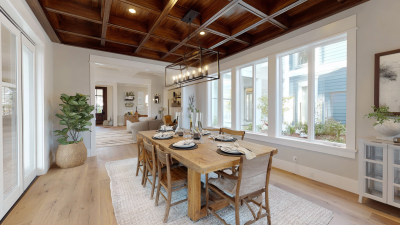
How to Transform Your Space with Simple Lighting Solutions
-

Advantages of Choosing Led Lamps for Your Lighting Solutions
